
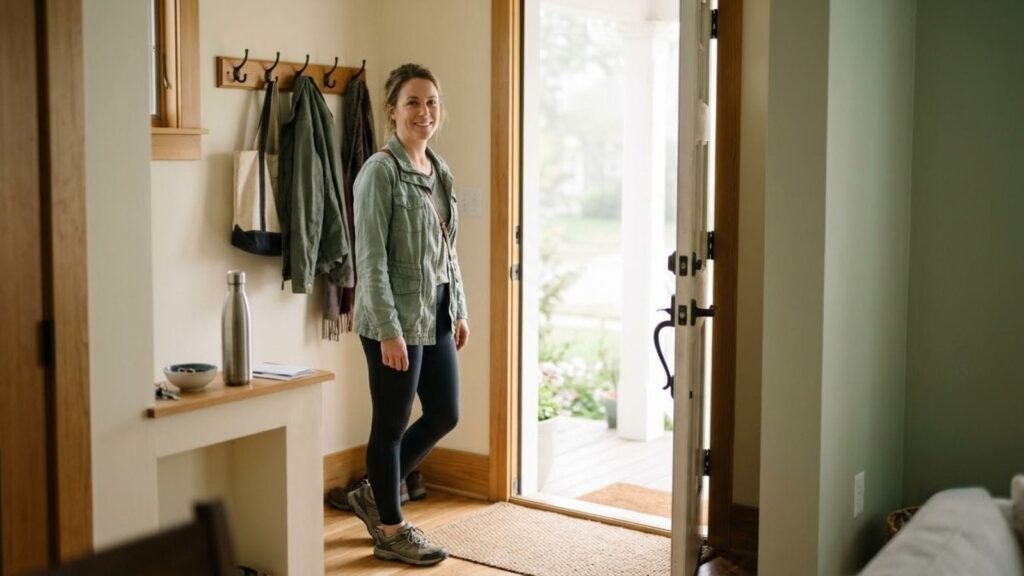
Here is how to build habits that stick: make the habit tiny, tie it to a cue you already have, write an if-then plan, shape your surroundings and plan for the days you miss. This guide explains how to build habits that stick in seven steps, with a worked example and a missed-day plan.
Key Takeaways
- How to build habits that stick comes down to small size, a clear cue, a written plan, a supportive setting and a plan for setbacks.
- A University College London study found habits took 66 days on average to feel automatic, and one missed opportunity did not significantly affect habit formation.
- The US National Cancer Institute describes if-then plans as linking a situation to a specific action, and cites a 2006 meta-analysis of 94 studies with a medium-to-large effect.
- Duke University research found almost half of behavior happens in the same place nearly every day, cued by that environment.
- A suggested approach: start with one habit under two minutes long, and pair it with something you already do daily.
What the Research Says About How to Build Habits That Stick
Duke University research reported in 2007 that almost half of human behavior happens in the same location nearly every day and becomes cued by that environment. In other words, a habit is closely tied to its setting. That makes your surroundings a main tool for how to build habits that stick.
The American Heart Association describes the habit loop as a cue, a routine and a reward, and says to pick cues you can see, hear or feel. It also suggests choosing habits you enjoy and treating setbacks as information. Those ideas shape the seven steps below.
[INSERT IMAGE 1: man-placing-phone-on-hallway-shelf.webp]

How to Build Habits That Stick: Why Most Plans Fail
Most people try to build habits through motivation alone. They pick a big goal, such as exercising an hour every day, and rely on enthusiasm to carry them. Enthusiasm fades within days, and the plan fades with it.
The better answer to how to build habits that stick is to reduce what the habit asks of you. The research above points to setting, cues and repetition, not willpower. The seven steps below put those findings into a practical order.
7 Steps: How to Build Habits That Stick
Step 1: Make the Habit Tiny
A tiny habit is one you can finish in under two minutes, such as one glass of water or one stretch. The 2018 US activity guidelines, summarized by the American College of Cardiology, note that even short episodes of activity are beneficial. Start small, then grow the habit later.
Step 2: Attach It to an Existing Cue
The AHA calls attaching a new habit to an existing one habit-stacking. Choose a cue that already happens daily, such as pouring coffee, and do the new habit straight after it. This is the simplest answer to how to build habits that stick when you have little time.
Step 3: Write an If-Then Plan
The National Cancer Institute describes implementation intentions as if-then plans that link a situation to a specific action. It cites a 2006 meta-analysis of 94 studies showing a medium-to-large effect on goal attainment. Write one: “After I pour my coffee, I will step outside for two minutes.”

Step 4: Shape Your Surroundings
Because habits are tied to their setting, make the cue obvious and the action easy. Put your walking shoes by the door, a water bottle on your desk, or fruit on the counter. For food swaps that need almost no effort, see our healthy swaps guide.
A suggested approach: spend ten minutes setting up one room. Remove the cue for a habit you want to drop, such as a snack bowl on the desk, and add a cue for one you want to build. Small changes make the right action the easy one.
Step 5: Choose a Reward You Enjoy
The AHA suggests picking habits you enjoy and noticing the positive feeling they give. A suggested approach: end the habit with a small, real pleasure, such as a favorite song, a moment in the sun or a tick on a calendar. Avoid rewards that undo the habit.
Step 6: Track It Lightly
A suggested approach: mark a calendar each time you finish the habit. Tracking shows the pattern and keeps the habit visible. Keep it light, because the goal is a streak you can restart, not a perfect record you must protect.
A suggested approach: use a paper calendar on the fridge or a simple notes app. Mark an X for each day you finish the habit, and leave skipped days blank. Review the week on Sunday, not the single day.
Step 7: Plan for the Days You Miss
In a 2009 UCL news release, missing one opportunity did not significantly affect habit formation, though very inconsistent people did not form habits. Decide in advance what a minimum version looks like, and restart the next day without making up for it.

A Worked Example: How to Build Habits That Stick With a Daily Walk
Suppose you want to walk daily. Make it tiny: one minute outdoors. Choose a cue: right after lunch. Write the plan: “After I finish lunch, I will walk to the end of my street and back.” Leave your shoes by the door.
After two weeks, extend the walk to five minutes, then ten. Mark each day on a calendar. If you miss a day, do the one minute version the next day. This is how to build habits that stick without relying on willpower.
Notice what the plan avoids. It does not depend on mood, weather or energy, because the cue is lunch and the action lasts one minute. That is the core of how to build habits that stick: the plan still works on a bad day.
| Habit | Existing cue | Tiny version | Reward |
| Drink water | Brushing teeth in the morning | One glass | A look out the window |
| Walk | Finishing lunch | One minute outdoors | A favorite song |
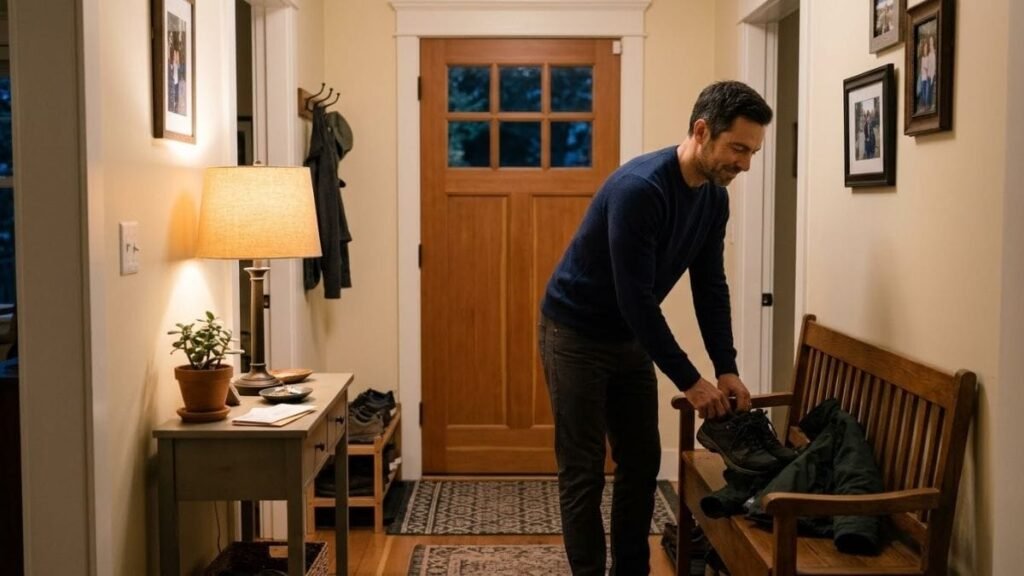
| Stretch | Getting out of bed | Two reaches overhead | A deep breath |
| Read | Getting into bed | One page | Lights out on time |
| Tidy | Turning off the kitchen light | Wipe one counter | A clear surface in the morning |
The table shows how to build habits that stick using the same pattern applied to five everyday habits. The examples are author suggestions, not research findings, and you can swap in cues that match your own day.
How Long Does It Take to Build a Habit?
The UCL study reported an average of 66 days to reach a self-reported limit of automaticity among participants for whom the model fit well. The page does not give a range, so treat 66 days as an average, not a deadline. NPR reporting on psychologist Wendy Wood cites about 43 percent of daily actions as unconscious.
A suggested approach: give each habit at least two months before judging it, and add only one new habit at a time. Our habits for health guide offers starter habits, and our morning routine ideas guide shows how to stack several into one sequence.
How to Build Habits That Stick When Life Gets Busy
Travel, illness and a new job can interrupt any routine. A suggested approach is to keep the cue and shrink the action, so a ten minute walk becomes a one minute step outside. The habit stays alive, and you can scale up when life settles.
Another way to approach how to build habits that stick in a busy season is to pause extra habits and protect just one. When things calm down, add the next habit back using the same cue, plan and reward.
Common Mistakes When Learning How to Build Habits That Stick
A suggested approach is to avoid three errors. The first is starting too big, such as a 60 minute workout on day one. The second is relying on motivation instead of a cue. The third is treating a missed day as a failure, when the UCL result points the other way.
Another trap is changing five habits at once. Each new habit needs its own cue and its own weeks of repetition, so spreading yourself thin makes every habit weaker.
When to Get Extra Support
Some habits, such as quitting smoking or changing eating patterns, may need professional help. Speak with a doctor, counselor or dietitian if a habit is tied to a health condition or feels out of your control. These steps are general information and not medical advice.
FAQs
How do I build habits that stick when I have no motivation?
Rely on a cue and a tiny size instead of motivation. Attach the habit to something you already do, and make it small enough to do on a bad day. Then the plan works even when you do not feel like it.
How long does it take to build a habit?
One University College London study found an average of 66 days for participants for whom the model fit. The time varies by person and habit, and missing a single opportunity did not significantly affect habit formation.
What is habit stacking?
Habit stacking means attaching a new habit to an existing one, as the American Heart Association describes. For example, you might stretch right after brushing your teeth. The existing habit becomes the cue.
What if I miss a day?
Resume the next day with the minimum version. The UCL study found one missed opportunity did not significantly affect habit formation, though very inconsistent people did not form habits.
Is this how to build habits that stick for any goal?
The same method applies to most everyday habits, from water to walking to reading. Habits tied to addiction or a medical condition may need professional support alongside these steps.
Conclusion
How to build habits that stick is mostly a design problem, not a willpower problem. Make the habit tiny, give it a cue you already have, write an if-then plan, arrange your surroundings, add a small reward and decide in advance what a bad day looks like.
Write one if-then plan today, because a written plan is the first step in how to build habits that stick. Give the habit about two months, track it lightly, and restart without guilt after a missed day. Small, steady repetition matters more than any single perfect week. If it is tied to a health condition, ask a professional for help.