

Habits for health do not need to be dramatic. The best ones are small, repeatable and easy to fit into a normal day. Moving, sleeping on a schedule, drinking water, managing stress and keeping up with checkups are the habits for health that major health agencies keep returning to.
This guide shares ten habits for health, with the numbers behind them from the CDC and Mayo Clinic. It also explains how long a new habit may take to settle in. It is general information, not medical advice.
Key Takeaways
- Habits for health start small. The CDC says some physical activity is better than none, and adults can aim for 150 minutes of moderate activity a week.
- Adults need seven or more hours of sleep, according to the CDC, and a regular schedule helps.
- A study summarized by the British Psychological Society found habits took about 66 days on average to feel automatic, with a wide range.
- Missing one day did little harm in that study, so one slip does not end your progress.
- Habits for health work best when you add one at a time and talk with a clinician about any medical concern.
What Counts as Habits for Health
Habits for health are everyday actions that support your body and mind: how you move, sleep, eat, drink, relax and look after your medical care. A habit is something you do with little effort because it has become routine.
You do not need all ten at once. Pick the one that feels easiest, start there and add another when the first one feels normal. Our seven easy tips for a healthy lifestyle is a good companion if you want a shorter list.
Most of the habits below come from public health agencies and medical centers. Where a tip is our own idea, we say so.

Habit 1: Move Your Body Most Days
Movement is one of the most studied habits for health. The CDC’s adult activity guidelines say adults should get at least 150 minutes of moderate activity a week, or 75 minutes of vigorous activity, or an equal mix. Thirty minutes on five days is one way to reach 150 minutes.
The CDC also recommends muscle strengthening activities on at least two days a week that work all the major muscle groups. It adds that more activity brings extra benefit.
The CDC’s page on what counts offers a talk test. During moderate activity you can talk but not sing, and during vigorous activity you cannot say more than a few words without pausing for a breath. Fast walking, water aerobics and level biking are moderate examples.
If those numbers feel far away, the CDC page on adding activity says to break activity into short sessions and choose things you enjoy. It states that some physical activity is better than none.
Habit 2: Build a Sleep Schedule
Sleep is one of the habits for health that supports all the others. The CDC says adults aged 18 to 60 need seven or more hours a night.
Both the CDC and Mayo Clinic advise keeping the same sleep schedule every day, including weekends. Mayo adds that most adults need at least seven hours and no more than eight.
The CDC also suggests turning off devices at least 30 minutes before bed and keeping the bedroom quiet, relaxing and cool. We cover this in more detail in our night routine for better sleep.
Habit 3: Drink Water Through the Day
Water is a simple habit with a long list of jobs. The CDC’s page on water says water helps regulate body temperature, cushions joints and helps remove waste. It also suggests choosing water over sugary drinks.
A reusable bottle in view can make this one of the easiest habits to keep. If you want a longer plan, see our guide on how to drink more water.

Habit 4: Eat Mostly Nutritious Foods
Eating well is among the habits for health that most people already know about but find hard to keep. The CDC’s stress management page lists eating nutritious foods as one way to support your well-being.
A practical way to start is to plan your meals and shop with a list. USDA MyPlate suggests checking what you already have and planning meals before you shop, which is the idea behind our healthy grocery list. You do not have to change everything at once.
Habit 5: Make Time to Unwind
Stress is a normal part of life, but how you handle it is one of the habits for health you can practice. The CDC suggests taking breaks from news and social media and making time to unwind with breathing exercises, stretching, meditation, journaling or time outdoors.
Mayo Clinic’s stress relievers page lists exercise, sleep, mindfulness and meditation, journaling and social connection. If journaling appeals to you, see our guide on how to start journaling.
Habit 6: Stay Connected
The CDC lists connecting with others and practicing gratitude among its tips for managing stress. Mayo Clinic also names social connection as a stress reliever.
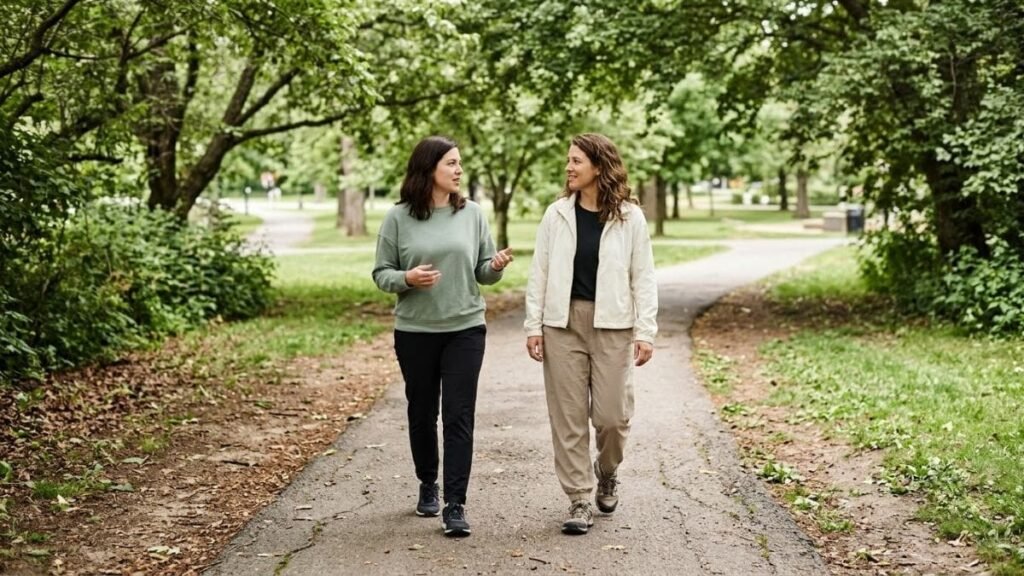
Of all ten, this one can be the most enjoyable. A call with a friend, a walk with a neighbor or a shared meal all count. Gratitude can be as simple as noting one thing that went well each day.
Habit 7: Limit Alcohol and Avoid Tobacco
The CDC’s stress management page advises limiting alcohol and avoiding tobacco. These two are about reducing harm rather than adding a routine.
The CDC also says to call or text 988 if you are in crisis. If you want to cut back and find it hard, a clinician can discuss options with you.
Habit 8: Keep Up With Routine Checkups
Routine checkups are among the quieter habits on the list. The CDC lists them as part of caring for yourself, and they give you a chance to ask questions about screenings and your own risks.
The CDC also says to check with a doctor before increasing activity if you have a chronic condition or have been inactive. A clinician knows your history and can tailor advice, which this article cannot do.
Habit 9: Link New Habits to Old Ones
This habit is about how you build the others. A well-known idea is to attach a new action to something you already do. The University of Iowa’s journaling tips, for example, suggest pairing 15 minutes of journaling with your morning coffee.
You can do the same with stretching after brushing your teeth or a short walk after lunch. That pairing is an author suggestion, but it follows the same logic. Our guide on how to build habits that stick goes further.
Habit 10: Be Patient With Yourself
The last of our habits for health is patience. A study of 96 people, summarized by the British Psychological Society, found it took an average of about 66 days for a new behavior to become automatic.
The range was wide, from 18 days to a predicted 254 days. The 254 figure was extrapolated because the study only ran 84 days. The study also found that missing a single day had little effect, while many missed days lowered the final result.
[INSERT IMAGE 5: wall-calendar-with-small-check-marks-on-most-days.webp]
A Simple Weekly Plan for Habits for Health
This plan is an author suggestion, not a guideline. It shows how to start without overwhelm.
| Week | Add this habit | Small first step |
| 1 | Sleep schedule | Pick a regular wake time and keep it on weekends |
| 2 | Movement | A 10 minute walk on three days |
| 3 | Water | Keep a bottle in view |
| 4 | Unwind | Five minutes of stretching or journaling |
Keep each habit going while you add the next. If a week goes badly, repeat it. The study above suggests a missed day matters little, so there is no need to restart from zero.
Common Mistakes With Habits for Health
- Trying to change everything in the first week.
- Setting a goal that is too big, such as an hour of exercise daily from the start.
- Treating one missed day as a failure.
- Ignoring sleep while focusing on food or exercise.
- Skipping a clinician’s advice when you have a medical condition.
Our guide to Healthy Swaps: 10 Easy Changes That Hold Up to Scrutin offers easy replacements for common habits. For something specific to the evening, try the Drinks to Help Sleep, keeping in mind it is general information.
Who Should Check With a Clinician First
Habits for health are for general wellbeing, and they do not replace medical care. If you have a chronic condition, are pregnant, are recovering from illness or injury, or have been inactive for a long time, ask a clinician before changing your activity or diet.
If you feel persistently low, anxious or unsafe, talk to a professional. In the United States, you can call or text 988 in a crisis.
FAQs
What are the best habits for health?
Public health sources point to regular movement, enough sleep, water, nutritious food, stress management, social connection and routine checkups. Start with one that feels easy.
How long does it take to build habits for health?
One study summarized by the British Psychological Society found an average of about 66 days, with a range from 18 days to a predicted 254 days.
How much exercise do adults need?
The CDC says 150 minutes of moderate activity a week plus muscle strengthening on two days, though some activity is better than none.
What if I miss a day?
The study summarized above found that one missed day had little effect. Return to the habit the next day.
Conclusion
Habits for health are small actions repeated until they feel normal. Move most days, keep a sleep schedule, drink water, make time to unwind and keep up with checkups.
The evidence has limits. The activity, sleep and stress guidance comes from the CDC and Mayo Clinic, and the 66 day figure comes from one older study of students, so it may not fit everyone.
Add one habit this week and protect it for a few weeks. Then add another, and keep a simple record so you can see your progress. Your habits for health will grow from there, one small step at a time.