

Knowing how to drink more water starts with making it easy: keep a bottle within reach, drink with every meal, and add a squeeze of lemon or lime if plain water feels dull. Public health guidance supports each of these steps.
This guide explains how much fluid adults generally need, shows how to drink more water with simple habits, and covers signs of enough hydration and when needs rise. It is general information, not medical advice.
Key Takeaways
- Mayo Clinic says some studies suggest healthy adults get enough with about 11.5 to 15.5 cups (2.7 to 3.7 liters) of total fluid a day, and that food supplies about 20 percent.
- The CDC suggests carrying a reusable bottle, serving water with meals, ordering water when eating out and choosing it over sugary drinks.
- Colorless or light yellow urine and not feeling thirsty often are two signs you are drinking enough, according to Mayo Clinic.
- You may need more water in hot weather, during exercise or when you have a fever, vomiting or diarrhea.
- Personal needs vary, so ask a clinician if you have kidney, heart or urinary conditions.
How Much Water Do You Need?
Before you learn how to drink more water, it helps to know a rough target. Mayo Clinic says some studies suggest a healthy adult gets enough with about 11.5 cups (2.7 liters) to 15.5 cups (3.7 liters) of total fluid a day. That total includes water from other drinks and from food.
Food provides about 20 percent of the water you need, Mayo adds, so the amount you pour into a glass is smaller than the total. Needs also change with body size, activity and weather.
That is why no single number fits everyone. The page says your needs depend on factors such as body type, activity level and environment. Use the range as a guide, and learn how to drink more water in a way that suits your day.
Why Water Matters When You Learn How to Drink More Water
The CDC page on water and healthier drinks says water helps regulate body temperature, cushions joints, protects the spinal cord and helps remove waste. It adds that dehydration can cause unclear thinking, mood changes, overheating, constipation and kidney stones.
Water also has no calories. Swapping sugary drinks for water can reduce calorie intake, according to the CDC, which makes it a handy way to cut added sugar without feeling deprived.
These points explain why many people want to know how to drink more water. The sections below turn the advice into everyday actions.
12 Ways on How to Drink More Water
Pick two or three of these ideas on how to drink more water to start. A few steady habits beat a long list you abandon.
1. Carry a reusable bottle
The CDC suggests keeping a reusable water bottle with you. A visible bottle works as a reminder, which is one reason it is the easiest answer to how to drink more water.
2. Freeze bottles for cold water
Freezing water in freezer-safe bottles gives you cold water through the day, the CDC says. Leave room for the ice to expand.
3. Drink With Each Meal
Mayo Clinic suggests drinking water with each meal and between meals. Tie the habit to something you already do, such as breakfast or lunch.
4. Order water when eating out
The CDC advises choosing water over sugary drinks and ordering it when you eat out. It is free in most restaurants and has no sugar.
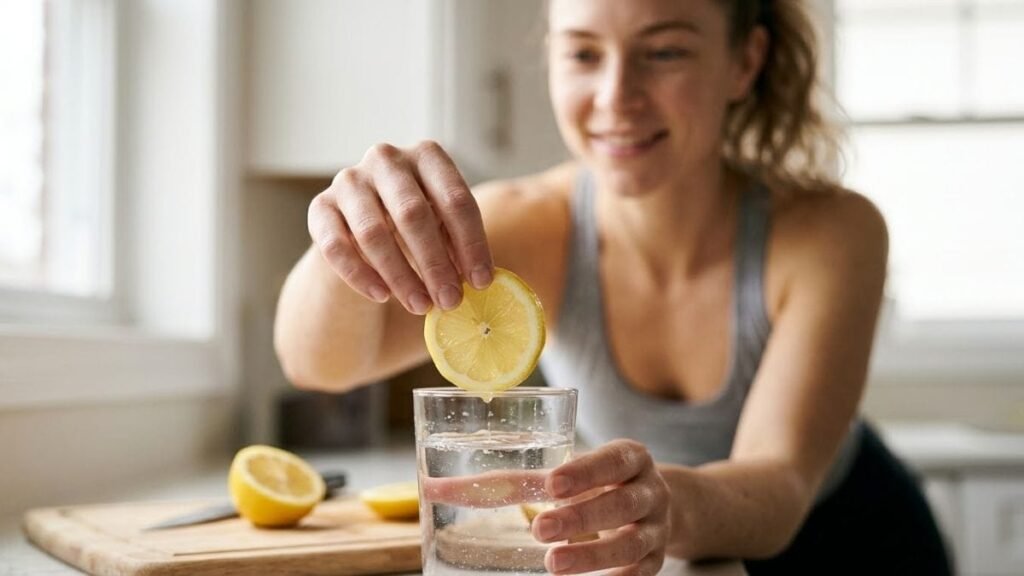
5. Add a Lemon or Lime Wedge
The CDC lists a lime or lemon wedge as a way to add flavor. Slices of cucumber or a few berries are common options too, though those are not named by the sources.
6. Drink before, during and after exercise
Mayo Clinic advises drinking water before, during and after exercise, since you lose fluid when you sweat.
7. Eat water-rich foods
Melon, strawberries, cabbage and squash are examples from Mayo Clinic of foods with a lot of water. They help your total fluid intake.

8. Set reminders
A phone alarm or a recurring calendar note can prompt a drink. This is an author suggestion, not a finding from the sources.
9. Use a habit cue
Pair a glass of water with brushing your teeth, starting your computer or finishing a call. Habit pairing is a common behavior tip and is not tested in the sources reviewed.
10. Keep water where you work
Another tip on how to drink more water: place a glass or bottle on your desk, in your bag and next to your bed. When it is in sight, it is easier to drink.
11. Track your intake loosely
Mark bottle sizes or use an app if you like numbers, since tracking helps some people learn how to drink more water. If counting stresses you, rely on thirst and urine color instead, as Mayo Clinic suggests.
12. Swap one sugary drink a day
The CDC says sugary drinks contain calories but little nutritional value. Replacing one a day with water is a small, realistic change if you want to drink more water without adding effort.
How to Drink More Water at Work
Long meetings and busy desks make it easy to forget a drink. To drink more water at work, keep a bottle or glass at arm’s length and refill it at set points, such as before each meeting.
Walk to refill instead of keeping a huge bottle. The short break doubles as movement. These ideas are practical suggestions, not research results.
How to Drink More Water If You Dislike the Taste
Many people find plain water boring. The CDC suggests a lime or lemon wedge, and its list of healthier drinks includes sparkling water, seltzers and flavored waters without added sugar.
Try cold water, room-temperature water or warm water to see which you like. Herbal tea without sugar is another option, though the sources reviewed do not rank it. Check labels on flavored waters for added sugar, using the steps in our guide to how to read a nutrition label.
How to Drink More Water During Exercise and Hot Days
When you sweat, you lose fluid, and Mayo Clinic says to drink before, during and after activity. In hot weather, sip regularly rather than waiting until you feel very thirsty.
For long or intense sessions, ask a clinician or coach about your needs. How to drink more water safely depends on the activity, the weather and your health.
Signs You Are Drinking Enough
Mayo Clinic lists two simple checks. You rarely feel thirsty, and your urine is colorless or light yellow.
Dry mouth and dark urine can be signs you need more fluid. These checks are general guides, and some foods, vitamins and medicines can change urine color.
If you wonder how to drink more water while you manage a medical condition, ask your clinician what amount is safe for you.

When You May Need More Water
Mayo Clinic says your needs rise with exercise or sweating, hot or humid weather, high altitude, vomiting, fever or diarrhea, bladder infections, kidney or urinary tract stones, and pregnancy or breastfeeding.
On those days, plan ahead for how to drink more water. Keep extra bottles ready and sip regularly rather than waiting until you are very thirsty.
What Else Counts Toward Your Fluid?
Water is not the only drink. The CDC lists plain coffee or tea, sparkling water, seltzers and flavored waters as low- or no-calorie choices. Milk, unsweetened fortified milk alternatives and limited amounts of 100 percent fruit juice add nutrients.
The CDC says up to 400 milligrams of caffeine a day can fit a healthy diet for most adults, which is about two to three cups of plain coffee. It also says sugary drinks and energy drinks bring added sugar and, in some cases, a lot of caffeine.
Diet drinks may lower calories in the short term, but the CDC says their long-term effect on weight is uncertain. If you are weighing options, water remains the simplest choice.
Pair Hydration With Healthy Habits
Water works best alongside regular meals and movement. Our guide to seven easy tips for a healthy lifestyle shows how small habits add up.
Water-rich fruits and vegetables also belong in your shopping basket. Use our healthy grocery list for ideas, and read our post on brain healthy food for foods that suit a busy day.
[INSERT IMAGE 5: person-filling-water-bottle-at-kitchen-sink.webp]
Common Mistakes in How to Drink More Water
- Drinking a lot at once late in the day, then waking at night.
- Ignoring thirst because you are following a fixed number.
- Relying on sugary or energy drinks to hit a fluid goal.
- Forgetting that food contributes to your total.
These points are an author summary of the sources above. They are not clinical rules.
FAQs
How do I drink more water if I forget?
Use a visible bottle, phone reminders and habit cues such as drinking after each bathroom break or phone call.
Can I drink more water by eating certain foods?
Yes. Mayo Clinic lists melon, strawberries, cabbage and squash as water-rich foods.
Does coffee or tea count?
The CDC lists plain coffee and tea among low- or no-calorie drinks. They can contribute to fluid intake, but sweetened versions add sugar.
Is it possible to drink too much water?
It can be unwise to drink very large amounts quickly. The sources reviewed focus on getting enough. Ask a clinician for personal limits, especially with kidney or heart conditions.
Conclusion
How to drink more water comes down to small, repeatable habits: a bottle within reach, water with meals, a flavor wedge if you like it and a swap for one sugary drink. Mayo Clinic and the CDC support each of these steps, and urine color and thirst give simple checks.
The evidence has limits.
The 2.7 to 3.7 liter range comes from studies that suggest, not guarantee, adequacy, and individual needs vary. Your next step is easy. Choose two habits from this list, try them for a week and see how they fit your day. Add another habit only when the first two feel natural.