
Everyone who sleeps badly eventually asks about drinks to help sleep, hoping that a warm mug will do what willpower cannot. The research gives a mixed answer. Two drinks, chamomile tea and tart cherry juice, have been studied for sleep, and neither has strong proof behind it.
Two common bedtime habits, caffeine and alcohol, are better known for getting in the way. This guide explains what each source says, how to try a drink safely, and what to do instead if sleep trouble is persistent. It is general information, not medical advice.
Key Takeaways
- NCCIH says very little information exists on chamomile for sleep, and a 2019 review found one insomnia study that showed no benefit.
- A systematic review of eight tart cherry studies found improved objective sleep measures but low to moderate quality evidence and small samples.
- The Mayo Clinic says caffeine and nicotine can take hours to wear off, and that alcohol may make you drowsy at first but can disrupt sleep later in the night.
- Drinks work best as part of a routine: regular sleep and wake times, a cool dark room and a wind-down period.
- See a health care provider if you often have trouble sleeping.
Do Drinks to Help Sleep Actually Work?
It helps to set expectations before the list of drinks to help sleep. A drink can be a comforting cue that tells your body the day is over, and that may help some people relax.
But a cup of anything is not a treatment for insomnia, and the sources reviewed do not show that any drink reliably improves sleep in everyone.
That is not unusual in sleep research. Studies are small, short and use different doses and timing, so the safest summary is that some drinks look promising, none is proven, and habits around them matter more. With that in mind, here are the two drinks to help sleep with some research behind them.
How to Judge Claims About Drinks to Help Sleep
Before trying anything, apply three questions. Was the drink tested alone, or mixed with other herbs? Did the study measure how people felt, or how they actually slept?
And how many people were involved, for how long? The chamomile and tart cherry research each fails at least one of these tests, which is why drinks to help sleep are better treated as experiments than as cures. Keep a note of what you drink, when, and how you slept, and let your own results guide you.
Drink 1: Chamomile Tea
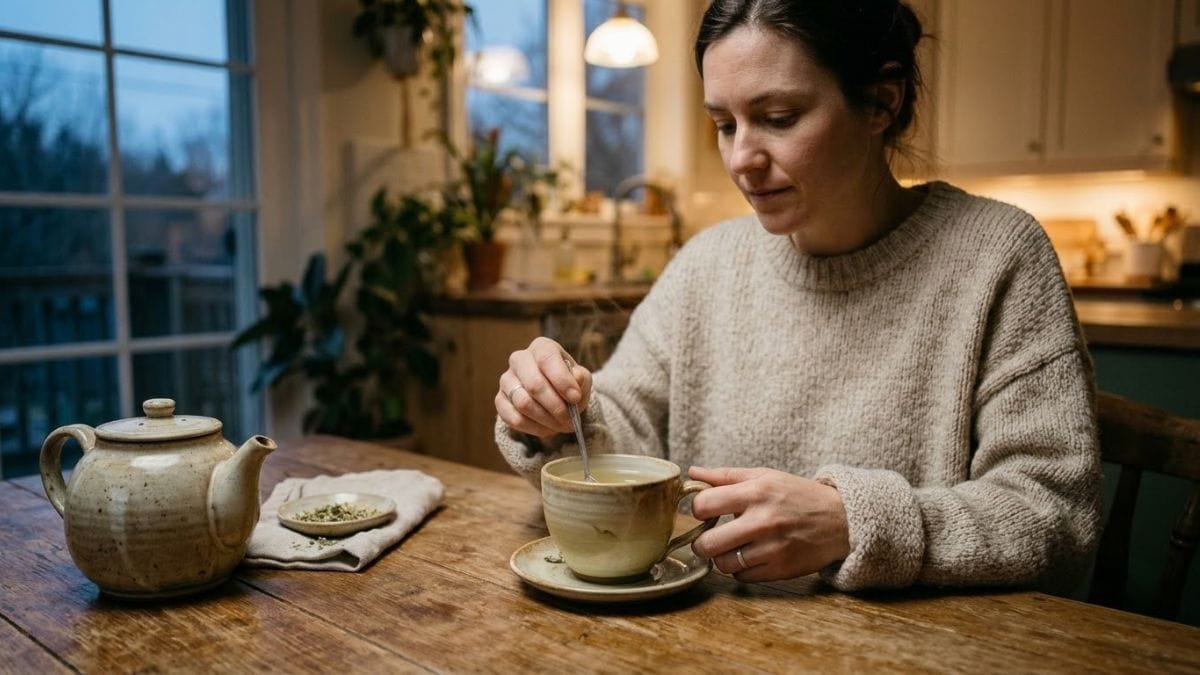
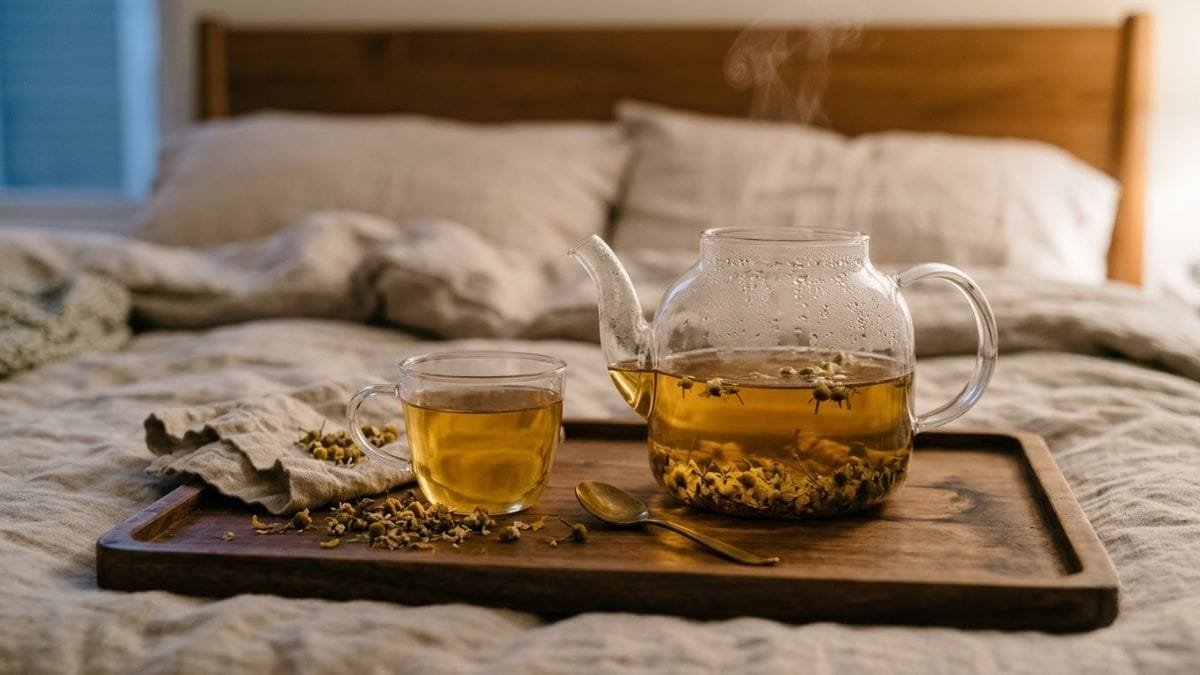
Herbal tea for sleep usually means chamomile. The National Center for Complementary and Integrative Health (NCCIH) says in its chamomile overview that studies have not produced enough reliable evidence to rate its usefulness for specific conditions, and that some studies test products combining chamomile with other herbs, which makes its own effect hard to isolate.
On sleep, NCCIH is specific: very little information exists, and a 2019 review found one insomnia study that showed no benefit. Preliminary studies suggest a chamomile dietary supplement might help generalized anxiety disorder, but a supplement is not a cup of tea. The honest verdict is that chamomile is unproven for sleep.
Is Chamomile Safe?
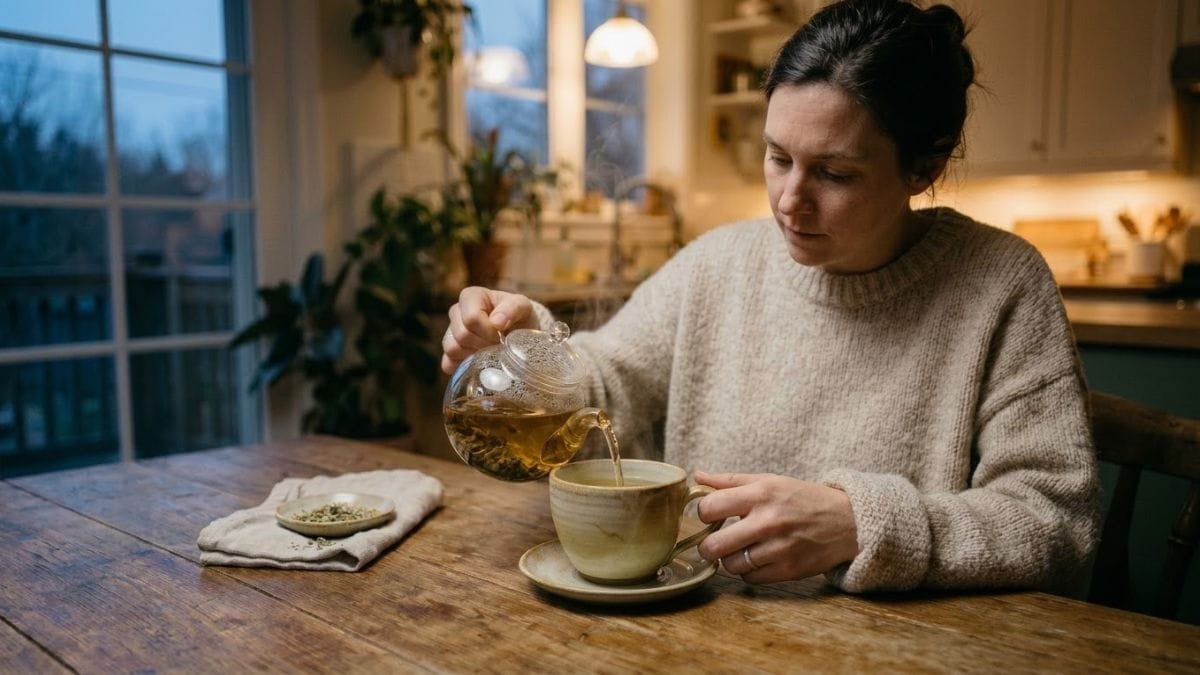
NCCIH says chamomile is likely safe orally in the amounts found in teas and foods. Side effects are uncommon and may include nausea, dizziness and allergic reactions, including severe hypersensitivity and anaphylaxis. People allergic to related plants such as ragweed, chrysanthemums, marigolds or daisies are more likely to react.
Interactions have been reported with warfarin and some drugs processed by the liver, and chamomile might interact with sedatives. Little is known about safety during pregnancy and breastfeeding, so check with a provider if any of these apply.
Drink 2: Tart Cherry Juice
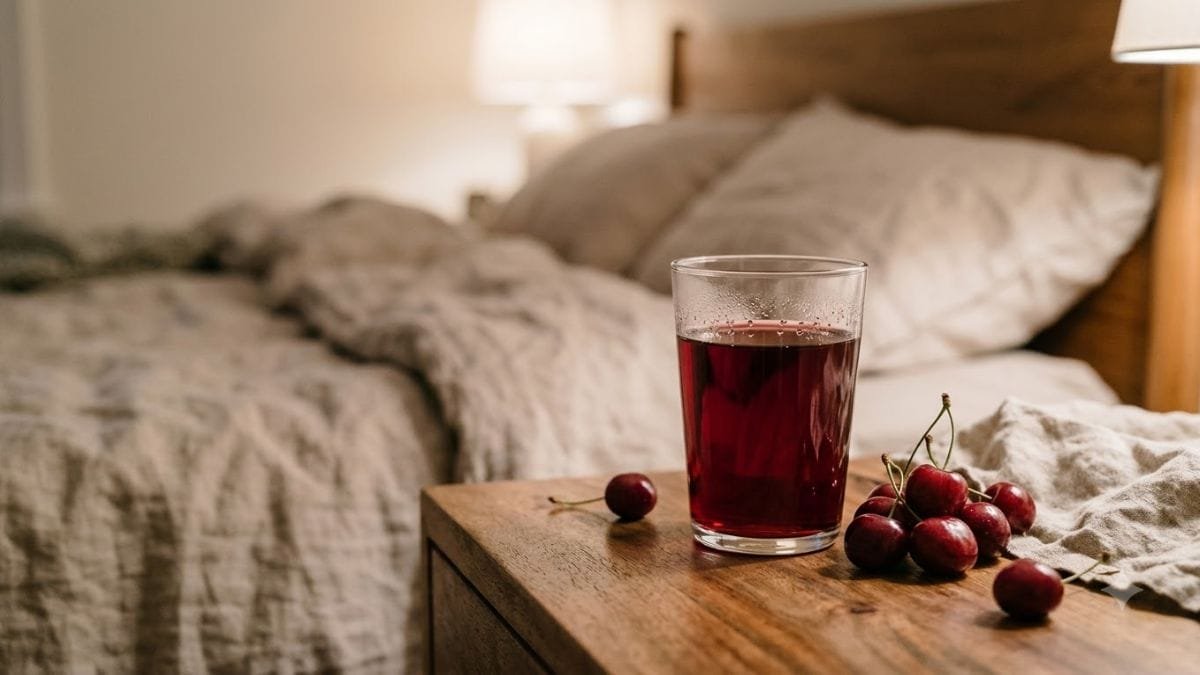
Tart cherry is the other drink with a research file. A systematic review of tart cherry and sleep included eight studies, five of them double-blind crossover trials, with three in each meta-analysis. Six studies enrolled healthy participants and two enrolled people with insomnia.
The results were mixed in an interesting way. Subjective measures, meaning how people said they slept, showed no significant benefit for sleep efficiency or total sleep time.
Objective measures showed significantly higher sleep efficiency and total sleep time with cherries. Sleep onset latency, the time to fall asleep, gave inconsistent results that were not statistically significant.
The authors rated the quality of the studies as low to moderate and noted small samples, short term trials, and varied dosing and timing. They called the findings promising but asked for more research.
In plain terms, tart cherry juice is a reasonable thing to try, but it is not an established sleep aid. If you have diabetes or watch sugar intake, remember that juice contains sugar, and the review does not address that.
Drinks to Skip: Caffeine and Alcohol
Some of the most useful advice about the best drinks before bed, and about drinks to help sleep in general, is about what to avoid.
The Mayo Clinic’s sleep tips say caffeine and nicotine have stimulating effects that can take hours to wear off and interfere with sleep. Alcohol may make you drowsy at first, but it can disrupt sleep later in the night.
If you are searching for natural sleep aid drinks and still drinking coffee at four in the afternoon, the swap that matters most is probably earlier caffeine, not a new tea. A practical rule is to choose a cut-off time that suits you and keep caffeinated drinks before it. Hidden sources count too, including tea, cola and some energy drinks.
What Else Helps More Than Any Drink
Mayo lists six categories of habit that matter for sleep, and they apply whether or not you add a drink.
- Keep a schedule. Aim for at least seven hours, and no more than eight set aside, with the same bed and wake times every day including weekends.
- Get up if you cannot sleep. If you are awake after about 20 minutes, do something relaxing and return to bed when tired.
- Watch eating. Avoid going to bed hungry or overly full, and skip heavy or large meals within a couple of hours of bedtime.
- Limit naps. Keep daytime naps to an hour or less and avoid late-day naps.
- Shape the room. Keep it cool, dark and quiet, and limit light-emitting screens just before bed.
- Move and go outside. Regular activity helps, but avoid exercising close to bedtime, and daily time outdoors may help.
Mayo also suggests trying to resolve worries before bed, or writing them down and setting them aside for tomorrow. These are simple, free and better supported than any single drink.
A Calm Bedtime Routine With a Drink
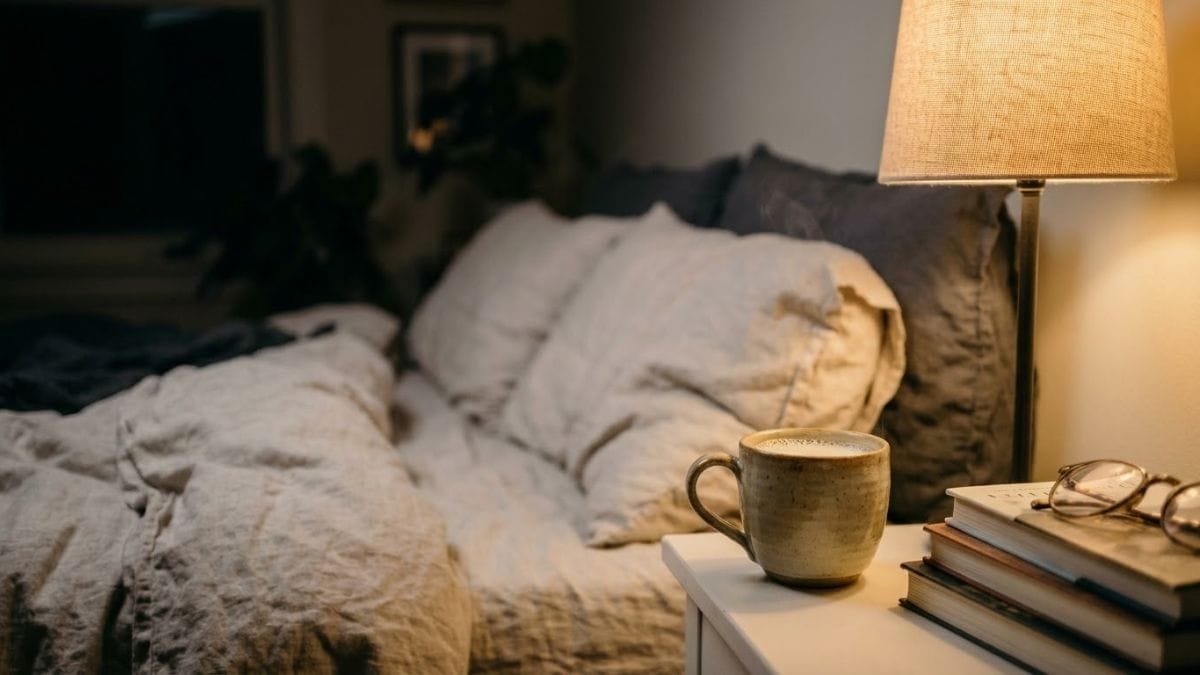
If you like the idea of drinks to help sleep as part of your routine, build it around the habits above. Choose a caffeine free option, such as a mug of chamomile tea if you tolerate it well, and have it unhurried, away from screens.
Keep the portion modest so that you are not woken by needing the bathroom, a practical point the sources reviewed do not address, so adjust to your own body.
Try it for two weeks and track your sleep in a simple notebook. If nothing changes, you have learned that the drink is a pleasant ritual, not a sleep aid, and that is a perfectly good outcome. For related reading, see BitComfy’s guide to foods that help with anxiety and its article on healthy lifestyle tips.
Why Timing Matters More Than the Drink
When you drink matters nearly as much as what you drink. Because caffeine and nicotine can take hours to wear off, as Mayo notes, an afternoon cup can still be active at bedtime.
Alcohol is similar in reverse: it feels sedating early and then fragments sleep. If you choose a warm caffeine free drink, have it as part of winding down, not as the last item before a late meal, since Mayo also advises avoiding heavy or large meals within a couple of hours of bedtime.
When to See a Doctor About Sleep
Mayo advises contacting a health care provider if you often have trouble sleeping, so that underlying causes can be identified and treated. Persistent insomnia can have many causes, including stress, medicines, health conditions and sleep disorders, none of which a drink will fix. If you take medicines, ask before adding herbal products, as NCCIH notes interactions are possible with chamomile.
FAQs
What are the best drinks to help sleep?
The sources reviewed do not name a best choice among drinks to help sleep. Chamomile tea has little evidence for sleep, and tart cherry juice looks promising in small studies of low to moderate quality.
Does chamomile tea help you sleep?
NCCIH says very little information exists, and a 2019 review found one insomnia study that showed no benefit. It is likely safe in tea amounts for most people.
Does warm milk help you sleep?
The sources reviewed for this guide do not cover warm milk, so no claim is made here. Treat it as a comforting routine at most.
Is it bad to drink alcohol before bed?
Mayo says alcohol may make you drowsy at first but can disrupt sleep later in the night.
When should I worry about my sleep?
If you often have trouble sleeping, contact a health care provider, according to Mayo.
Conclusion
Drinks to help sleep are better understood as part of a routine than as a remedy. Chamomile tea is gentle but unproven for sleep, tart cherry juice shows promise in small studies of limited quality, and caffeine and alcohol are the drinks most likely to work against you.
The habits Mayo lists, from a steady schedule to a cool dark room, carry more weight than any mug. Check with a provider if you take medicines, and book a visit if poor sleep is frequent.
Your next step is to move your last caffeinated drink earlier tomorrow, keep a two week sleep diary, and decide afterward whether any of the drinks to help sleep earned a place in your evening.