

Learning how to cover dark circles with makeup takes a few steps: prep the skin, correct the shade if needed, conceal lightly, set and keep your tools clean. A light hand usually looks more natural than heavy layers.
This guide explains how to cover dark circles with makeup, why dark circles happen, how to keep eye makeup safe and when to see a doctor. It is general information, not medical advice.
Key Takeaways
Key Takeaways
- Before you learn how to cover dark circles with makeup, know that dark circles have many causes, including genetics, aging, allergies, sun exposure and tiredness, according to Mayo Clinic.
- How to cover dark circles with makeup comes down to five steps: moisturize, correct if needed, conceal thinly, set lightly and remove everything at night.
- Color correction with peach or orange tones is common makeup advice from brands, not a clinical finding.
- The FDA and eye-health groups say to keep eye makeup clean, avoid sharing it and replace it regularly.
- Dark circles on one side only, or with swelling or pain, deserve a doctor’s visit.
What You Need to Cover Dark Circles with Makeup
You do not need a large kit. A basic setup is enough for how to cover dark circles with makeup:

- A gentle moisturizer or eye cream.
- A creamy concealer in a shade that suits your skin.
- An optional peach or orange corrector for deep shades.
- A clean sponge, brush or fingertip for blending.
- A small amount of fine powder, if your skin is not dry.
This list is a practical suggestion for how to cover dark circles with makeup. No product names are given because none were tested for this guide.
Why Dark Circles Happen
Before you learn how to cover dark circles with makeup, it helps to know what you are covering. Cleveland Clinic explains that dark circles can come from genetics, thin skin, aging, allergies, rubbing the eyes and sun exposure.
Mayo Clinic adds that fatigue, dehydration and some medical conditions may play a role. The causes are different for different people, so the same trick does not work for everyone.
Makeup hides the color but does not treat the cause.
If you only want to know how to cover dark circles with makeup, the steps below work for most causes, but a medical cause still needs a doctor. For natural care ideas, see our guide to 5 natural remedies for dark circles.
Step 1: Prepare the Skin Before You Cover Dark Circles with Makeup
Skin under the eyes is thin and dry skin makes concealer look cakey. Start with clean skin and a light moisturizer or eye cream.
Wait a minute or two so the product settles before you cover dark circles with makeup. This prep step is common makeup practice and is not backed by a clinical study.
If you use sunscreen, apply it first. The AAD says to use a broad-spectrum SPF 30 or higher on exposed skin, and sun exposure can darken the area, according to Cleveland Clinic. Our guide on how to choose sunscreen explains the label.
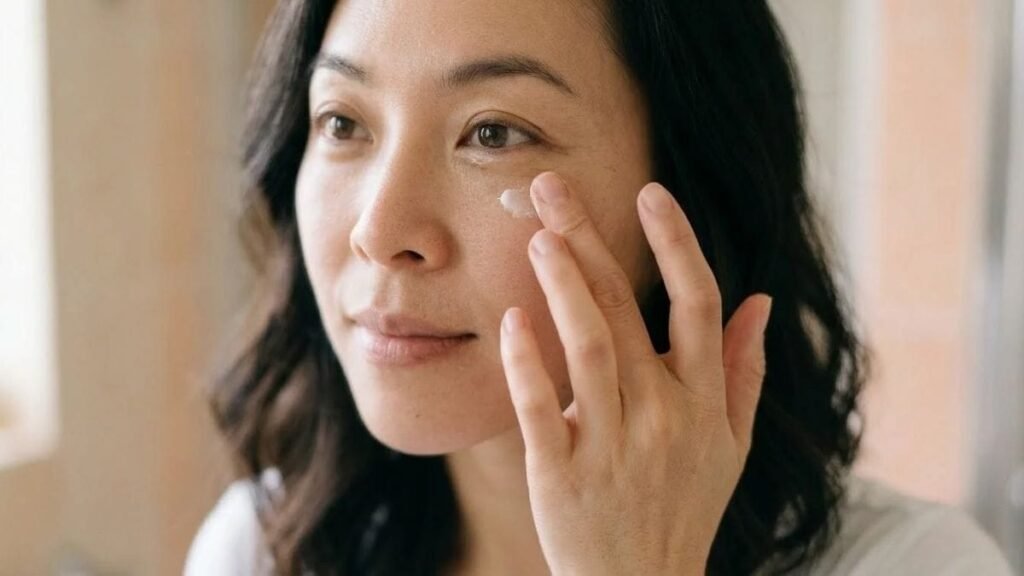
Step 2 to Cover Dark Circles with Makeup: Color Correct If the Shade Is Strong
Many makeup brands suggest a peach, orange or salmon corrector for blue, purple or brown circles. The idea comes from color theory: opposite colors cancel each other out.
This is brand advice, not clinical evidence, so treat it as an option. Use a tiny amount, because too much corrector can look orange. If your circles are light, you may not need this step at all.
This is the step many people skip when they ask how to cover dark circles with makeup, and it is the one that can make the biggest difference for deep shades.
Step 3 to Cover Dark Circles with Makeup: Conceal Thinly
Pick a concealer one shade lighter than your skin tone or the same shade, depending on the finish you want. Brand pages often recommend a creamy, hydrating formula, which is common advice rather than research.
Dot small amounts on the inner corner and the outer edge, then blend with a clean finger, sponge or brush. Tap, do not rub, to protect thin skin.
Use less product than you think you need.
For most people, how to cover dark circles with makeup well means thin, patient layers. When you cover dark circles with makeup in thin layers, you can always add more, but you cannot easily take it away.

Step 4: Set Lightly and Check in Daylight When You Cover Dark Circles with Makeup
Set the concealer with a very small amount of fine powder, or skip powder if your skin is dry. Check how you cover dark circles with makeup in natural light, because bathroom bulbs can change how a shade looks.
If lines look deeper, you have used too much powder. Press with a clean finger to warm the product back into the skin.
Dark Circles or Eye Bags? Why It Matters for Your Makeup
Dark circles are a change in color, while eye bags are puffiness or shadow from swelling or fat shifting under the eyes. Cleveland Clinic and Mayo Clinic describe both as common, and they can appear together.
Makeup behaves differently on each. Color corrector helps with color, but it cannot flatten puffiness, and heavy concealer on a puffy area can make creases stand out. If shadow is the main issue, a thin layer of concealer in a shade close to your skin often looks more natural.
How to cover dark circles with makeup also depends on the time of day. Light, thin layers suit daytime, while evening looks can handle a little more coverage. This is an author suggestion.
Step 5: Remove Everything at Night
Sleeping in eye makeup can irritate the eyes. The American Academy of Ophthalmology advises removing eye makeup every night. Use a gentle remover and avoid rubbing hard.
Clean tools matter as well. Dirty sponges and brushes can carry bacteria. Cleveland Clinic has steps in its guide to cleaning makeup brushes, and our own guide on how to clean makeup brushes is a helpful read.
Eye Makeup Safety Rules for How to Cover Dark Circles with Makeup
How to cover dark circles with makeup safely matters as much as how it looks. The FDA gives these basics for eye products:
- Do not share eye makeup with anyone.
- Replace mascara about every three months, since bacteria can grow in it.
- Wash your hands before applying.
- Do not apply makeup in a moving vehicle.
- Stop using a product if you get redness, swelling or irritation.
The American Academy of Ophthalmology and Prevent Blindness give similar advice. Confirm the exact replacement times on the live pages before publishing.

Making Your Concealer Last Through the Day
Under-eye makeup tends to crease because the skin moves a lot. A few habits can help, though none is proven in a study:
- Use a thin layer and let each layer settle for a moment.
- Avoid heavy eye creams right before concealer.
- Blot gently with a tissue instead of adding powder through the day.
These tips on how to cover dark circles with makeup come from common practice. They are worth testing for yourself, since results depend on your skin and the product.
Common Mistakes When You Cover Dark Circles with Makeup
- Using too much product. It settles into lines and defeats the point of learning how to cover dark circles with makeup.
- Picking a shade much lighter than your skin. It can look gray or ashy. This is a common beauty observation, not a study.
- Skipping moisturizer. Dry skin looks creased.
- Rubbing instead of tapping. Rubbing can irritate thin skin.
- Using old products. Expired eye makeup is a safety risk.
Habits That May Reduce Dark Circles Besides Makeup
Makeup is only one approach, and how to cover dark circles with makeup is just one part of care. Mayo Clinic suggests sleep, sun protection and, for puffiness, a cold compress. Keeping your head slightly raised at night may help puffiness, though evidence is limited.
Allergies can make dark circles worse, so treating them with your doctor’s advice may help. Our article on food and skin health covers eating habits that support skin.
Know how to cover dark circles with makeup, but do not rely on it alone if the cause is medical.
When to See a Doctor
See a doctor if dark circles appear suddenly, affect only one eye, come with swelling or pain, or do not improve. Mayo Clinic and Cleveland Clinic both say persistent or unexplained changes should be checked.
A clinician can look for allergies, thyroid problems, anemia or other causes. Do not try to diagnose yourself from a guide like this one, even a guide on how to cover dark circles with makeup.

FAQs
What is the best way to cover dark circles with makeup?
Moisturize, correct strong shades lightly, conceal thinly, set with a small amount of powder and check in daylight.
Should I use an orange or peach corrector to cover dark circles with makeup?
It is a popular brand tip for deep blue or brown shades. It is optional and not clinically proven.
Is it safe to cover dark circles with makeup every day?
Yes, for most people, as long as products are fresh, tools are clean and you remove everything at night. Stop if irritation appears.
Can makeup damage the skin under my eyes?
Heavy rubbing, old products and sleeping in makeup can irritate the area. Gentle tapping and nightly removal help.
Do dark circles ever need medical care?
Yes, if they are sudden, one-sided, swollen or painful. See a doctor in those cases.
Conclusion
How to cover dark circles with makeup is a short routine: prep the skin, correct deep shades lightly, conceal thinly, set and remove it all at night. Clean tools and fresh eye products keep the process safe, and a few calm minutes in daylight usually beat a heavy layer applied in a hurry.
The evidence has limits. Dermatology and eye-health guidance supports the safety steps and the causes.
But the color tricks come from makeup brands, not clinical trials. Your next step is easy. Choose one concealer, try the five steps in daylight and see a doctor if the circles seem unusual or change quickly. Remember that knowing how to cover dark circles with makeup is a cosmetic skill, not a treatment.