

A healthy grocery list is easier to build when you sort it by food group and shop from the edges of your own kitchen first. Start with what you already have, plan a few meals, then add fruits, vegetables, grains, protein foods and dairy or alternatives.
This guide gives you a healthy grocery list you can adapt, a table of staples, label and budget tips, and notes on what is opinion and what comes from public guidance. It is general information, not medical advice.
Key Takeaways
- USDA MyPlate says to check your fridge, freezer and pantry before shopping, plan weekly meals and organize your list by grocery section or food group.
- A healthy grocery list can include fresh, canned, frozen, dried and dehydrated fruits and vegetables, because MyPlate says all of them count.
- Compare Nutrition Facts labels and choose products with less added sugar, saturated fat and sodium.
- Beans, lentils, whole grains and many fruits add fiber, which Mayo Clinic lists in its high-fiber chart.
- The food lists here are an author compilation built on public guidance, not a diet plan or a medical recommendation.
How to Use This Healthy Grocery List
Treat this healthy grocery list as a menu of options, not a rule book. You do not need every item. Pick a few from each group, and rotate them from week to week.
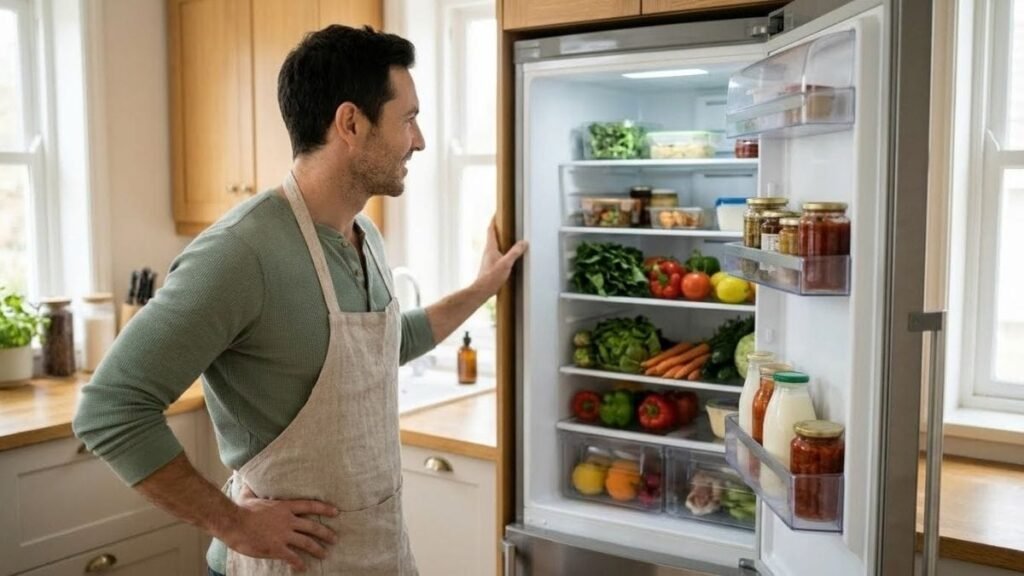
The USDA MyPlate grocery shopping tip sheet gives a simple order of work. First, look at what you already have in your refrigerator, freezer and pantry. Second, write down the meals you want for the week. Third, shop for the missing items across the five food groups.
That order keeps a healthy grocery list short and helps you avoid buying duplicates. It also cuts waste, since you shop for meals instead of random items.
Build Your Healthy Grocery List by Food Group
MyPlate suggests grouping your list by grocery section or food group so you can stay focused and leave the store quickly. The sections below follow that idea. The specific items are examples, not requirements.
Fruits
Fresh, canned, frozen and dried fruit all count, according to MyPlate. Good staples include apples, bananas, berries, oranges and pears. Frozen berries and canned fruit packed in water or juice keep for a long time.
Check labels on canned and dried fruit for added sugar. The FDA’s label guidance lists added sugars among the nutrients to limit.
Vegetables
Choose a mix of colors if you can. Fresh vegetables such as carrots, broccoli, spinach and peppers work well, and frozen vegetables are a convenient backup. For canned vegetables, compare the sodium on the label.
MyPlate notes that all forms count toward your vegetable goals, so a healthy grocery list can include whatever fits your budget and storage space.
Grains
Whole grains add fiber. Oats, brown rice, whole-wheat bread, whole-wheat pasta and quinoa are common picks. Mayo Clinic’s chart of high-fiber foods lists cooked pearled barley, whole-wheat spaghetti and quinoa among higher-fiber grains.
Protein foods
Beans, lentils, eggs, fish, poultry, nuts and seeds fit here. Canned beans are inexpensive and shelf stable. Dried and canned legumes also bring fiber, as the Mayo chart shows for lentils and black beans.
If you eat meat or fish, buy what you can store safely and use within the time limits on the package.
Dairy and alternatives
Milk, yogurt and cheese, or fortified soy and other alternatives, belong in this group. Plain yogurt is flexible, because you can add your own fruit. Compare labels for added sugar, since flavored versions can differ widely.

Healthy Grocery List Staples at a Glance
This table is a quick reference. It is an author summary of food groups from MyPlate, not an official list.
| Group | Everyday examples | Storage idea |
|---|---|---|
| Fruits | Apples, bananas, berries, canned fruit in water | Fresh for the week, frozen or canned for backup |
| Vegetables | Carrots, broccoli, spinach, frozen mixes | Frozen or canned when fresh runs out |
| Grains | Oats, brown rice, whole-wheat pasta | Pantry |
| Protein | Beans, lentils, eggs, fish, nuts | Cans and dried goods in the pantry |
| Dairy or alternatives | Plain yogurt, milk, fortified soy milk | Refrigerator |
| Flavor | Herbs, spices, olive oil, vinegar | Pantry |
Shop Smarter: Label and Savings Tips for Your Healthy Grocery List
The MyPlate tip sheet says to read labels and compare the Nutrition Facts of similar products. The FDA’s guide to the label adds a quick rule of thumb: 5 percent Daily Value or less is low, and 20 percent or more is high for a nutrient.
Use that rule to limit sodium, saturated fat and added sugars, and to look for more fiber, vitamin D, calcium, iron and potassium. Our full guide to how to read a nutrition label covers each step.
For savings, MyPlate suggests coupons, loyalty programs, sales and in-season foods, and notes that store brands are usually less expensive. Our article on how to eat healthy on a budget goes deeper.

Store Your Groceries Safely
Buying food is only half the job. The USDA Food Safety and Inspection Service says to refrigerate leftovers within two hours, or within one hour if the temperature is above 90 degrees Fahrenheit, and to keep them for three to four days. Frozen leftovers stay safe indefinitely but taste best within three to four months.
Put perishables in the fridge soon after shopping, and keep raw meat and fish apart from foods you eat uncooked. These are standard food safety habits, not claims about nutrition.
Common Mistakes When Building a Grocery List
Most problems come from a short list of habits. Watch for these:
- Shopping hungry, which tends to add impulse items. This is common advice, not a finding from the sources.
- Buying more fresh produce than you can use before it spoils.
- Ignoring frozen and canned options that cost less and last longer.
- Skipping the label check on sauces, cereals and drinks, where added sugar and sodium can hide.
- Writing a list with no meals attached, so ingredients do not match.
Fixing even two of these can make a weekly shop simpler, cheaper and less wasteful.
If you shop for a family, ask each person to add one food they will actually eat. A plan that people like is far easier to keep than one that looks perfect on paper.
Keep a running note on your phone during the week. When something runs out, add it at once, so the next shop starts from a real list instead of from memory.
Add Your Own Needs to the Healthy Grocery List
A list that works for one household may not work for another. Allergies, medical diets, cultural foods and cooking time all matter.
If you have a health condition or a special diet, ask a registered dietitian or your clinician how to adapt a healthy grocery list. This guide does not provide personal nutrition advice.
For brain-friendly foods, see our post on brain healthy food. For fruit ideas that suit digestion, read our guide to fruits for a healthy intestine and digestive system.
Seasonal and Flexible Swaps
Prices and quality change through the year, so keep your list flexible. If fresh berries are costly, use frozen. If spinach looks tired, choose frozen greens or cabbage. If you cannot find a whole grain, another one will do.
MyPlate encourages looking for sales and in-season foods. Treat each category as a slot, then fill it with whatever is good value that week.
Herbs and spices are small purchases that change the taste of simple meals. They help you eat more vegetables and beans without relying on salty sauces. This is a cooking suggestion rather than a research finding.
What to Leave Off Your Healthy Grocery List
You do not have to ban any food. Still, a healthy grocery list tends to go lighter on items that add a lot of sugar, sodium or saturated fat, which are the nutrients the FDA says to limit.
Think about frequency, not rules. Cookies, chips and sweetened drinks can stay occasional. This is a general approach, not a clinical instruction.
The American Heart Association’s description of the Mediterranean eating pattern also advises limiting added sugars, sugary beverages, sodium and highly processed foods.
A Sample Week Using the Healthy Grocery List
Here is one way to turn the checklist into meals. It is an illustration, not a prescription.
- Breakfast: oats with fruit and plain yogurt.
- Lunch: bean and vegetable soup with whole-grain bread.
- Dinner: baked fish or eggs, a roasted vegetable tray and brown rice.
- Snacks: apple with nut butter, or raw vegetables with hummus.
Our post on seven easy tips for a healthy lifestyle can help you build habits around these meals.

FAQs
What should be on a healthy grocery list?
Fruits, vegetables, whole grains, protein foods such as beans, fish and eggs, and dairy or fortified alternatives, plus herbs and spices for flavor.
Do frozen and canned foods belong on a healthy grocery list?
Yes. MyPlate says fresh, canned, frozen, dried and dehydrated forms all count. Compare labels for sodium and added sugar.
How do I keep a healthy grocery list cheap?
Plan meals, use store brands, buy in-season produce and stock beans and frozen vegetables, as MyPlate suggests.
Is this a diet plan?
No. It is a general checklist. Ask a clinician or dietitian for advice tailored to you.
Conclusion
A healthy grocery list starts with what you already own, a few planned meals and a simple structure by food group. Fresh, frozen and canned foods can all fit, and label reading helps you limit added sugar, sodium and saturated fat.
The evidence has limits.
The shopping method comes from USDA MyPlate and the label rules from the FDA.
But the exact items are examples that suit many households, not proven requirements. Your next step is simple. Pick three foods from each group, write your healthy grocery list and plan three meals around them. Revisit the list next week and swap what you did not use.