Road trip essentials fall into a few groups: a vehicle that is ready to go, safety and emergency supplies, food and water, documents and comfort. Getting those right matters more than any gadget. Government agencies give clear advice on the first three, and the rest is common sense and personal taste.
This guide lists road trip essentials with guidance from the National Highway Traffic Safety Administration, a California emergency agency, the Department of Energy and the USDA. Items that are our own suggestions are labeled. It is general information, not a substitute for your vehicle manual or medical advice.
Key Takeaways
Key Takeaways
- Road trip essentials start with the vehicle. NHTSA advises checking the battery, tires, tire pressure, wipers, fluids, lights and air conditioning before a trip.
- A basic vehicle emergency kit from California’s emergency services office includes water, food, a phone with a charger and backup power, a first aid kit, a flashlight and spare batteries.
- Refrigerate perishable food within two hours, or one hour if the air is above 90 degrees Fahrenheit, according to the USDA.
- Roof-top cargo boxes can reduce highway fuel economy by 6 to 25 percent, according to the Department of Energy, so pack inside the vehicle when you can.
- Everyone should wear a seat belt, and kids 12 and younger should ride in the back seat, says NHTSA.
Road Trip Essentials for the Vehicle
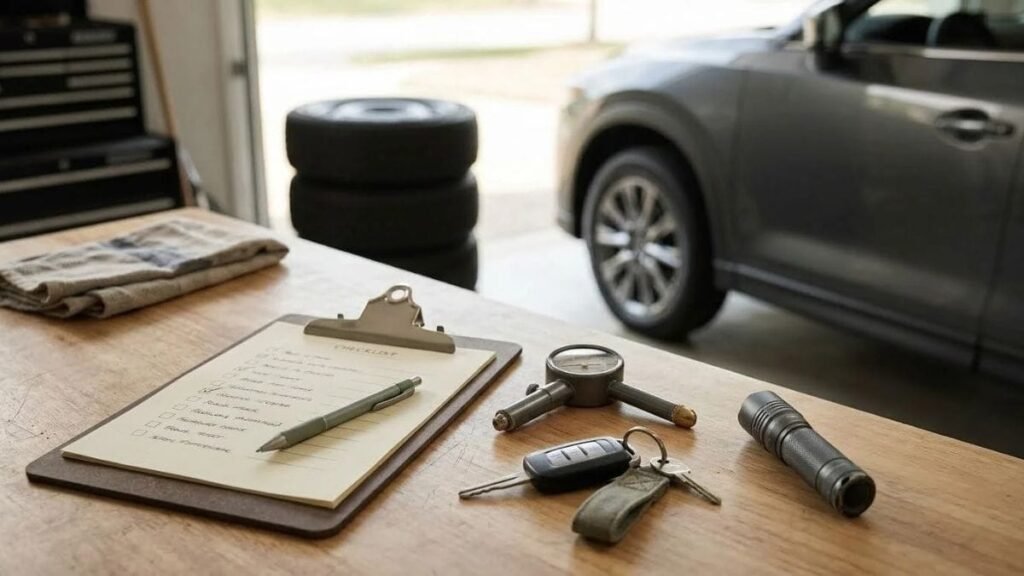
The NHTSA summer driving tips say to get tune-ups, check the battery, rotate tires and inspect tire pressure, wipers, fluids, lights and air conditioning before a trip. It also tells drivers to check their vehicle identification number for open safety recalls, which are repaired for free.
Add the vehicle manual and your registration and insurance papers to the list. That last point is our suggestion. These basics come before snacks or playlists, since they are the road trip essentials that keep you moving.
The page dates from 2018, so follow your manufacturer’s current advice for maintenance.
Safety and Emergency Road Trip Essentials
The California Governor’s Office of Emergency Services lists a vehicle emergency kit with these items:
- Water, about a gallon per person per day for several days.
- At least three days of non-perishable food.
- A mobile phone, charger and backup power source.
- A battery-powered or hand-crank radio.
- A basic first aid kit.
- A flashlight and spare batteries, including for your key fob.
- A spare key fob or a hidden key kept on the vehicle.
- A whistle for signaling for help.
- Plastic sheeting and duct tape, moist towelettes, trash bags and zip ties.
- Local maps.
NHTSA’s list for a vehicle includes a phone charger, first aid kit, flashlight, flares, jumper cables, water and blankets. Combine the two lists and adjust for your route and season. A longer desert trip needs more water than a short city drive. Those road trip essentials are not glamorous, but they matter if something goes wrong.
Passenger Safety
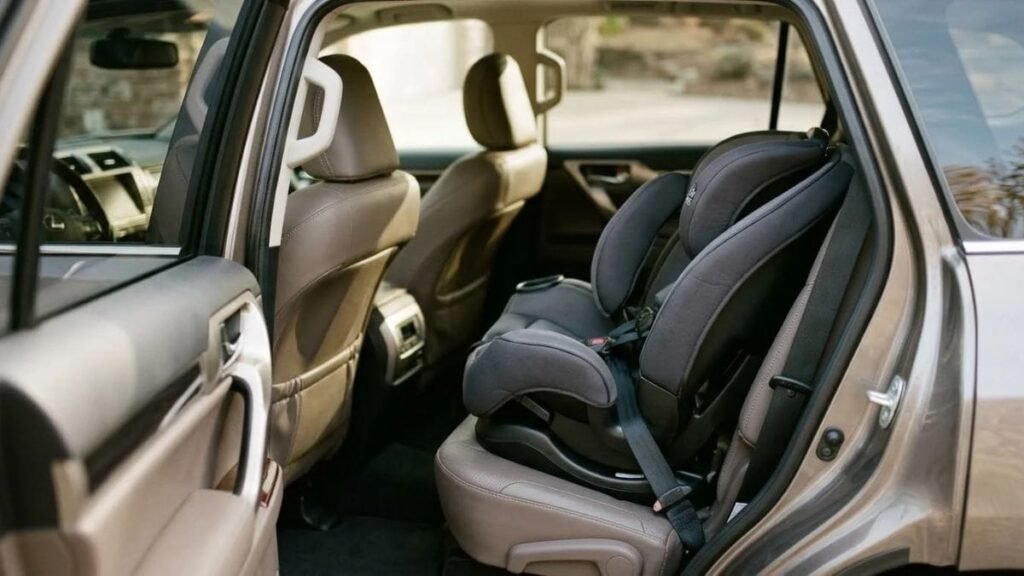
NHTSA says everyone should wear a seat belt and that children should use car seats suited to their age and size. Kids 12 and younger should ride in the back seat.
It also advises leaving extra following distance behind motorcycles, watching for pedestrians and cyclists, slowing down and changing lanes for roadside officers where Move Over laws apply, and taking breaks on long drives. Avoid distractions such as phone use and eating while driving.
Food and Drink Road Trip Essentials
Food is one of the road trip essentials people forget until they are hungry. The USDA Food Safety and Inspection Service says that bacteria grow fast between 40 and 140 degrees Fahrenheit. Perishable food should be refrigerated within two hours, or one hour if the air temperature is above 90 degrees.
In a car, that means using a cooler with ice or ice packs for items such as sandwiches, yogurt, cut fruit and cooked foods.
Keep the cooler in the cabin rather than a hot trunk, which is our suggestion. For shelf-stable options, USDA MyPlate suggests combining food groups for snacks; see its snacking tips for ideas, and our guide to the healthy snacks list.
Bring water. The California kit list includes about a gallon per person per day for emergencies, which is a lot, so decide how much to carry in the cabin and how much to keep as reserve. Our guide on how to drink more water covers general tips.
Documents and Money
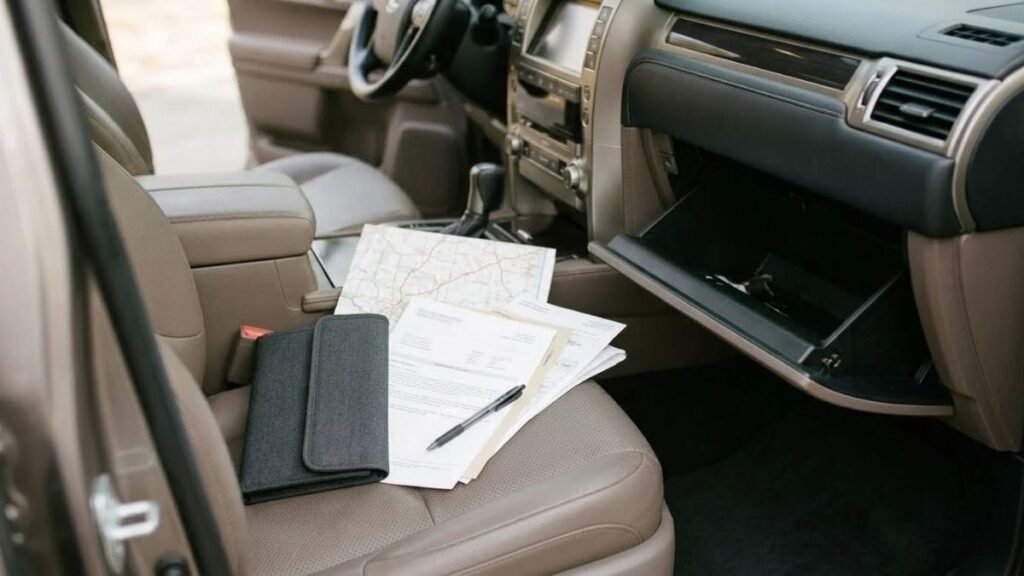
These road trip essentials are our suggestions. Keep your driver’s license, vehicle registration and insurance card where you can reach them. Carry a payment card and some cash, in case a card reader is down. Save an offline map on your phone and keep a paper map or printed directions as a backup.
If you cross international borders, your needs change. See our travel documents checklist for papers beyond a driver’s license.
How to Organize Your Road Trip Essentials
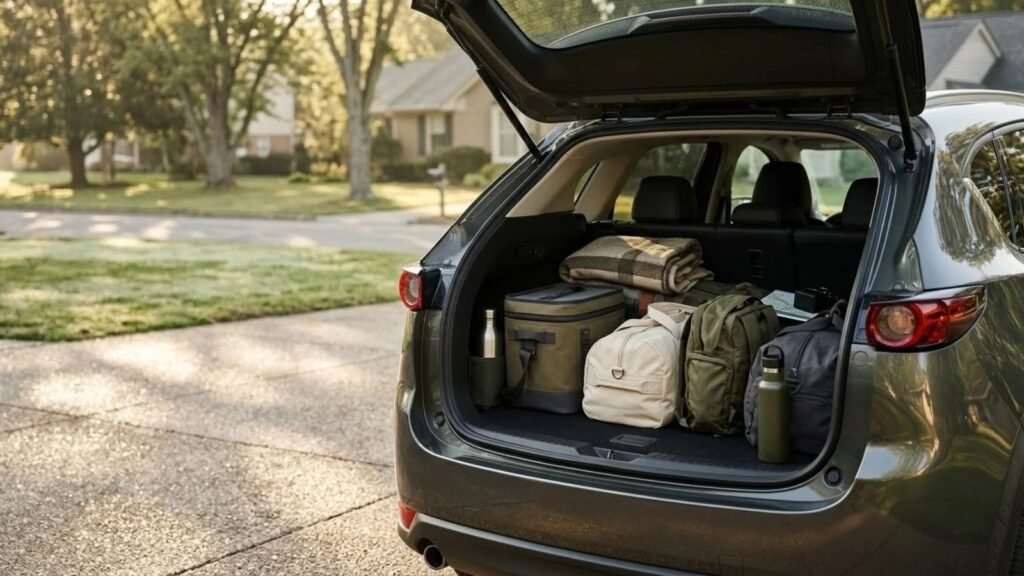
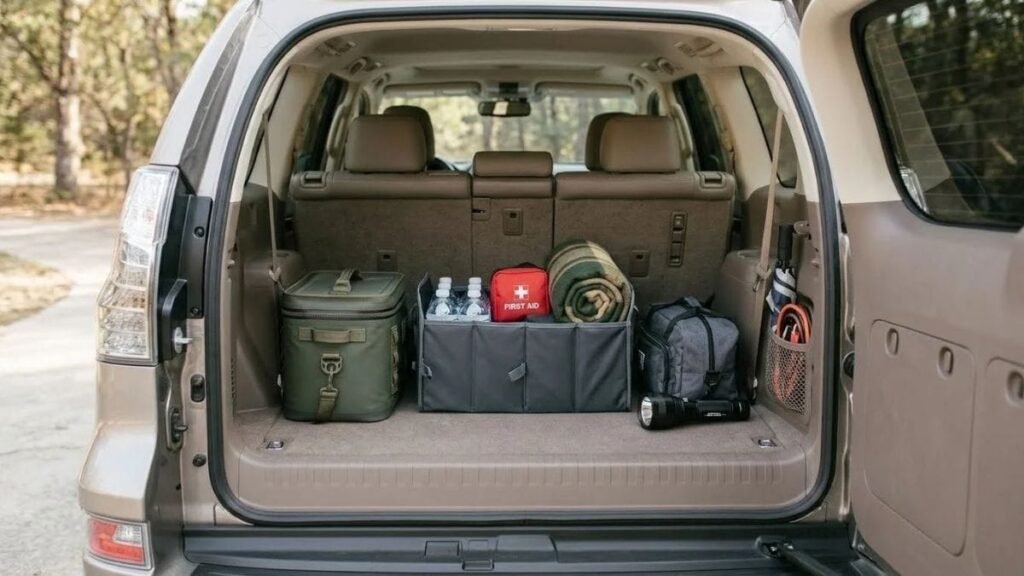
Good road trip essentials only help if you can reach them. Keep the emergency kit, first aid kit and flashlight where you can get to them without unloading everything. This placement is our suggestion, not an agency rule.
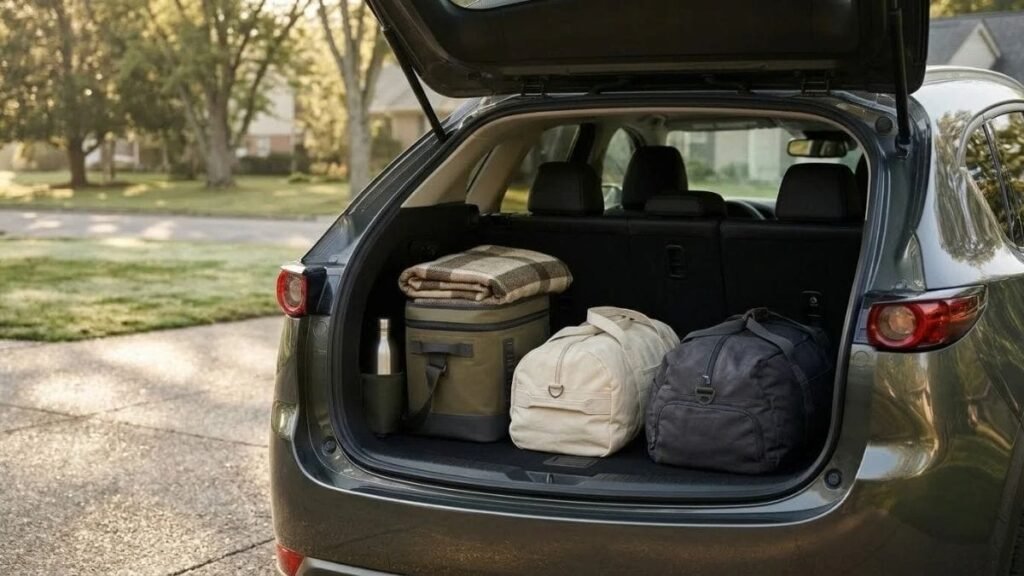
Put snacks, water, wipes and the phone charger within reach of the front seats. Store heavy bags low and toward the center of the vehicle, and keep items off the rear shelf where they could fly forward in a hard stop.
Before you leave, do a quick walk-around. Check that nothing blocks the rear window, mirrors or the driver’s footwell.
Comfort and Entertainment
Comfort items are optional, but they help a long drive go well. Our suggestions include sunglasses, a sun shade, layers of clothing, a small pillow or blanket, tissues, wipes, a trash bag and a small bag of change for tolls.
For entertainment, download music, podcasts and audiobooks before you leave, since coverage may be patchy. Keep navigation voice instructions on to reduce phone handling, and mount the phone rather than holding it. Distractions are a safety concern, as NHTSA notes.
Pack Smart to Save Fuel
Packing affects fuel use. The Department of Energy’s fuel economy tips say roof-top cargo boxes can reduce fuel economy by 2 to 8 percent in city driving and 6 to 25 percent on the highway, while rear-mount boxes or trays have a smaller effect. Speeding and hard braking lower mileage, and proper tire inflation improves it.
So keep the heavy road trip essentials inside the cabin or trunk where possible. For more ways to save, see our guide on how to plan a road trip on a budget.
A Printable Road Trip Essentials Checklist
Use this table as a starting point. It combines the sourced items above with our own suggestions.
| Group | Items |
|---|---|
| Vehicle | Manual, registration, insurance, tire pressure checked, fluids and lights checked |
| Safety | First aid kit, flashlight, flares, jumper cables, blankets, whistle |
| Power and navigation | Phone charger, backup power, offline map, paper map |
| Food and water | Cooler with ice packs, water, shelf-stable snacks |
| Comfort | Sunglasses, layers, wipes, trash bag |
| Documents and money | License, card, small cash, emergency contacts |
Trip-Specific Additions
Add items for your route. A desert route needs more water and sun protection. A mountain route may need warm layers and, in snow, items suited to the conditions. If you travel with a baby, bring the supplies and car seat they need. If you travel with a pet, bring a leash, water and a carrier.
Our guides on the Los Angeles to Las Vegas drive and Las Vegas to Zion National Park show how road trip essentials change by route.
Mistakes to Avoid
- Skipping the vehicle check.
- Leaving perishable food in a hot car.
- Carrying too little water for the route.
- Using a roof box when the trunk would do.
- Relying only on a phone with a weak signal.
Who Should Add Extra Items
Travelers with medical conditions should pack medicines in their original containers and carry a note of their conditions. Families with young children should add comfort items and extra stops. Older drivers and anyone who gets tired easily should plan more frequent breaks.
FAQs
What are the road trip essentials?
A checked vehicle, a basic emergency kit, water and food stored safely, a charged phone with backup power, documents and money, and comfort items.
What should be in a car emergency kit?
Water, food, a phone charger and backup power, a first aid kit, a flashlight, spare batteries, a whistle and local maps, according to California’s emergency services office. NHTSA also lists flares, jumper cables and blankets.
How long can food sit out on a road trip?
The USDA says perishable food should be refrigerated within two hours, or within one hour if the air is above 90 degrees Fahrenheit.
Where should I keep my road trip essentials in the car?
Keep emergency items reachable, snacks and water near the front, and heavy bags low and centered. That placement is an author suggestion.
Should I use a roof box?
It can lower highway fuel economy by 6 to 25 percent, says the Department of Energy. Use it only when you need the space.
Conclusion
Road trip essentials begin with a vehicle that is ready, an emergency kit, safe food and plenty of water. Add documents, money, navigation and a few comforts, and keep heavy items inside the vehicle where you can reach what you need.
The evidence has limits.
The vehicle, kit, food safety and fuel guidance comes from NHTSA, California’s emergency services office, the USDA and the Department of Energy, while the comfort items and printable checklist are our own suggestions.
Print the list, check the car and pack the night before you leave. A calm start makes the first hour easier, and a short walk-around before you pull out can catch a missing item while it is still easy to fix.