

Ayurvedic skin care draws on one of the oldest medical traditions in the world, and it has never been more visible than it is now, with creams, oils and face packs sold as the natural answer to almost every complaint. That popularity deserves a careful look.
Some ideas in the tradition, such as gentle plant ingredients and consistent routines, are easy to respect. Others lack modern testing, and a few products carry real safety concerns.
This guide explains what ayurvedic skin care is, what the evidence supports, how to try a simple face pack safely, and what to avoid. It is general information, not medical advice.
Key Takeaways
- The National Center for Complementary and Integrative Health (NCCIH) says few well-designed trials suggest Ayurvedic approaches work, and evidence for most health issues is limited.
- Some Ayurvedic preparations contain lead, mercury or arsenic at potentially toxic levels, according to NCCIH and the FDA.
- Turmeric and aloe vera are common in ayurvedic skin care, but evidence that they lighten or repair skin is weak or limited.
- Patch test every new product on the inner forearm for two or three days before using it on your face.
- Ayurvedic skin care should not replace a dermatologist for acne, scars, pigmentation or any changing mole.
What Ayurvedic Skin Care Really Is
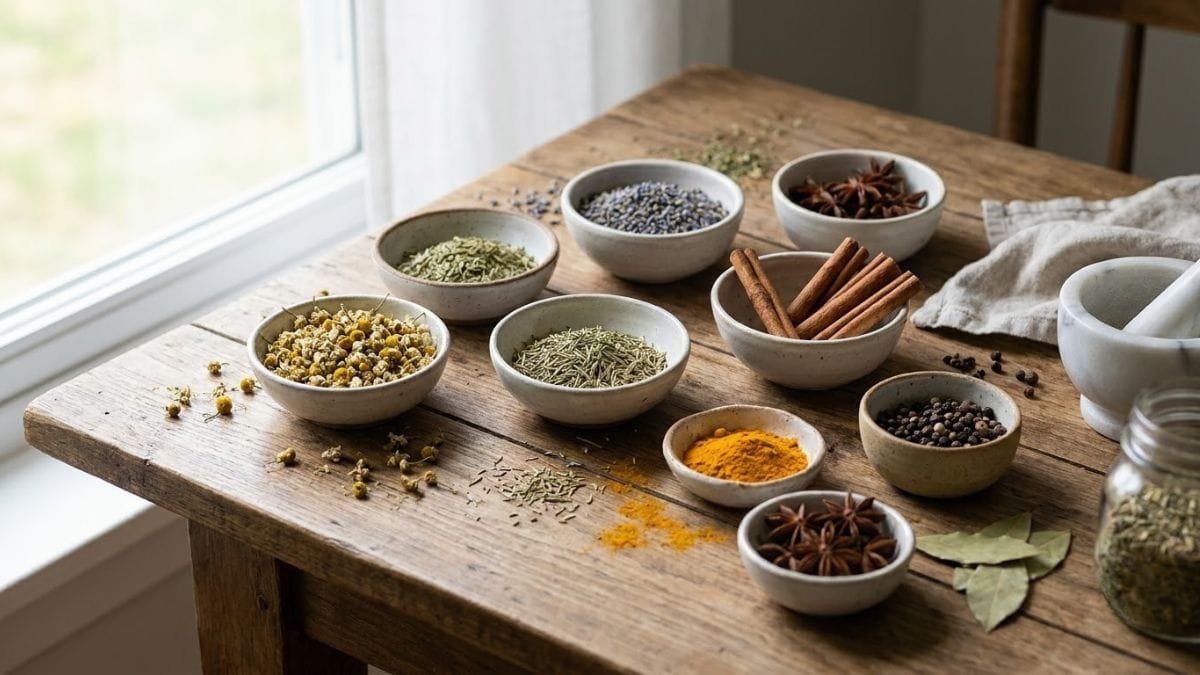
NCCIH describes Ayurveda as an ancient Indian medical system that takes a holistic approach to physical and mental health. Its treatments combine mostly plant-based products, sometimes with animal, metal or mineral ingredients, together with diet, exercise and lifestyle.
NCCIH reports that about 240,000 American adults use it. In its overview of Ayurvedic medicine, the agency notes that the page was last updated in January 2019, so newer research may not be reflected.
When people say ayurvedic skin care, they usually mean one of three things. The first is a routine, such as cleansing, oiling, and using a plant-based face pack on a schedule. The second is a product line sold under the Ayurvedic label.
The third is dietary and lifestyle advice presented as part of skin health. These are not the same, and the evidence differs for each. A calm routine carries little risk, a product line depends entirely on what is inside the jar, and dietary advice should be weighed like any other nutrition claim.
What the Evidence Says
The honest summary is that the evidence is thin. NCCIH says few well-designed trials suggest Ayurvedic approaches work and that there is little evidence for most other health issues.
Its examples are small studies on conditions such as knee osteoarthritis and type 2 diabetes, not on skin. Skin-specific research is not covered on the page, so the claims you see on packaging are rarely backed by the trials NCCIH describes.
That does not mean everything in the tradition is useless. A routine that encourages regular cleansing, moisturizing and attention to your skin can be sensible. It means that the ancient origin of a recipe is not evidence that it works, and a long history is not a safety record.

Common Ayurvedic Skin Care Ingredients
Two ingredients appear in almost every list of traditional Indian remedies, and both have been looked at by modern researchers.
| Ingredient | Traditional use | What a source reviewed says |
| Turmeric | Skin lightener, face packs | Not proven to visibly lighten skin; one study found a turmeric cream may help protect against UV damage and improve hydration; can stain skin yellow |
| Aloe vera | Soothing, moisturizing | A small study found it may suppress melanin release and reduce pigmentation |
Both statements come from Healthline’s review of tan removal, which reports the turmeric work by Kaur and colleagues from 2011. These are small findings, and they relate to tan and pigmentation, not to the full range of claims made for ayurvedic skin care. Treat them as reasons to feel comfortable using the ingredients gently, not as proof of results.
The Safety Issue Nobody Mentions on the Label
Here is the part of the tradition that deserves the most attention. NCCIH warns that some Ayurvedic preparations contain lead, mercury or arsenic at potentially toxic levels, and the FDA warns that metals in some Ayurvedic products make them potentially harmful.
In a 2015 survey of users, 40 percent had elevated blood lead, and some had elevated mercury. NCCIH also reports testing that found high lead in about one in four supplements and high mercury in almost half, and a 2015 CDC report linked elevated blood lead in a 64-year-old woman to products bought online.
Those findings concern products people take by mouth, and NCCIH’s page does not address metal content in face creams. The safe reading is cautious: metal contamination is a documented risk in this category, so choose ayurvedic skincare products from sellers who list full ingredients and, ideally, test results.
NCCIH also notes that there is no significant regulation of Ayurvedic practice or education in the US, and no state requires practitioners to be licensed.
A related warning appears in the tan removal review. A 2014 study by Gul and colleagues found unlisted mercury, steroids and other harmful ingredients in skin-lightening products from outside the US. If a cream promises dramatic lightening and its ingredient list is vague, skip it.
How to Choose Ayurvedic Skincare Products
Because regulation is limited, your own checks matter more. Use this short list when you shop.
- Read the full ingredient list. If the product has no list, or only a list of “herbs,” look elsewhere.
- Avoid products that promise to lighten or “cure.” Claims about treating disease are a red flag for any cosmetic.
- Buy from sellers that give contact details. You should be able to ask where and how the product was made.
- Be wary of unverified online sellers. The CDC case cited by NCCIH involved products bought online.
- Stop if skin stings or burns. Healthline advises stopping any product that stings or burns unless a dermatologist says otherwise.
- Tell your doctor. NCCIH advises telling all your health care providers about any complementary approaches you use.
A Simple Ayurvedic Face Pack, Done Safely
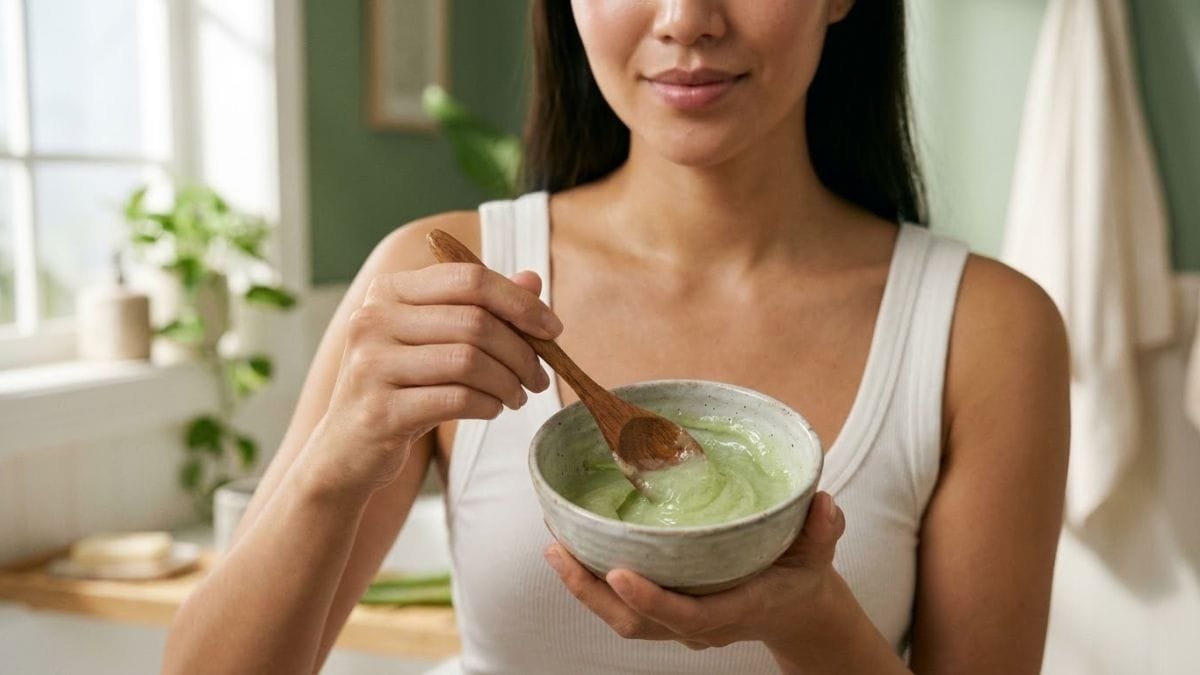
An ayurvedic face pack is the easiest part of the tradition to try at home, because it uses food-grade ingredients and rinses off. The version below is deliberately mild, and it is a tradition-based idea, not a tested treatment.
- Spoon about a tablespoon of pure aloe vera gel into a clean bowl.
- Add a very small pinch of turmeric and mix to a smooth paste. Remember that turmeric can stain skin and cloth yellow.
- Patch test on your inner forearm and wait two or three days, as Healthline advises for new treatments.
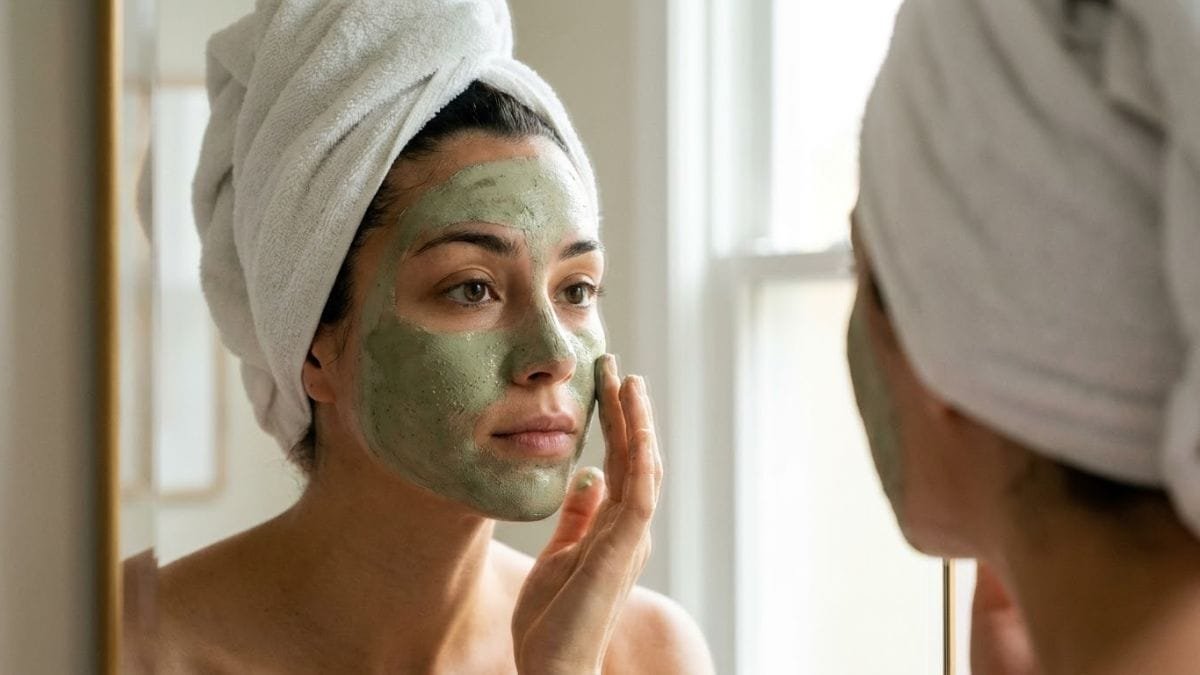
- If there is no reaction, apply a thin layer to clean skin, leave for ten minutes, and rinse with lukewarm water.
- Moisturize and use sunscreen in the morning.
Use it no more than once or twice a week at first. If you notice itching, redness or swelling, rinse it off and stop.
A pack like this will not treat acne, remove scars or lighten pigmentation. It is best seen as a calm, sensory part of a routine.
What to Pair With It: The Basics That Matter More
The unglamorous parts of skin care do most of the work, and they sit comfortably alongside ayurvedic skin care. Daily broad-spectrum sunscreen of SPF 30 or higher, as the Mayo Clinic advises in its dark circles guide, protects against the sun exposure that drives pigmentation and aging.
Not smoking and limiting alcohol also help, since Mayo lists both among lifestyle factors that can worsen skin around the eyes.
Diet is part of the Ayurvedic idea, too. If you want a modern, evidence-aware version, BitComfy’s guide to foods for healthy skin explains what research does and does not show. Its remedies for dark circles article covers a common concern in more detail.

When to See a Dermatologist
Persistent acne, scarring, patchy pigmentation or a spot that changes in size, color or shape needs a professional. Traditional routines can sit beside medical care, but they should not delay it.
NCCIH advises not to delay seeing a conventional provider about a medical problem. Pregnant or nursing people should consult a provider before using Ayurvedic products, since some may be harmful.
FAQs
Is ayurvedic skin care safe?
It depends on the product. Gentle, food-grade ingredients on a patch-tested area are low risk, but NCCIH and the FDA warn that some Ayurvedic preparations contain lead, mercury or arsenic. Choose transparent sellers and read ingredient lists.
Does ayurvedic skin care work for acne or pigmentation?
The sources reviewed do not show that. NCCIH says few well-designed trials support Ayurvedic approaches generally, and the small turmeric and aloe findings relate to UV protection and tan, not acne.
Can I use an ayurvedic face pack every day?
No source reviewed supports daily use. Start once or twice a week after a patch test, and stop if skin reacts.
Are ayurvedic skincare products regulated?
NCCIH says there is no significant regulation of Ayurvedic practice or education in the US. That makes label reading and seller checks more important.
Should I tell my doctor?
Yes. NCCIH advises telling all your health care providers about any complementary approaches you use.
Conclusion
Ayurvedic skin care has a long history and a calm, routine-based appeal, but history is not proof. The evidence from NCCIH is limited, the small studies on turmeric and aloe are modest, and metal contamination in some Ayurvedic products is a documented risk.
If you want to try it, patch test first, choose transparent sellers, keep face packs mild and occasional, and rely on sunscreen and a dermatologist for the things that matter most.
Your next step is to check the ingredient list of any ayurvedic product you already own, patch test it on your forearm, and tell your doctor what you use, so that tradition and safety travel together.