

Walk into any pharmacy and you will find shelves of vitamins for hair skin and nails, each bottle suggesting that a daily capsule will thicken your hair, clear your skin and harden your nails. The sources reviewed for this guide tell a quieter story.
A few nutrients do matter for these tissues, deficiencies are uncommon in the US, and the evidence that extra supplements help people who are not deficient is weak. This guide sets out six facts, what to eat instead, and one safety warning many buyers miss. It is general information, not medical advice.
Key Takeaways
- The NIH says there is little scientific evidence behind vitamins for hair skin and nails, and Harvard says no published study shows benefit for normal, healthy hair and nails.
- Adults need only 30 micrograms of biotin a day, an amount food usually provides.
- High-dose biotin can distort lab tests, including a heart attack marker, according to an FDA safety communication.
- Vitamin C helps the body make collagen, and zinc helps wounds heal, but both have upper limits.
- Talk to a doctor before supplementing, especially if you take other medicines or have lab tests coming up.
Fact 1: The Evidence for Vitamins for Hair Skin and Nails Is Thin
The NIH Office of Dietary Supplements, in its biotin fact sheet for consumers, says there is “little scientific evidence” supporting supplement claims about hair, skin and nails.

It notes that in a few small studies, people with thin, brittle nails who took high doses had harder nails, and that doctors reported improvement in a rare childhood hair disorder and an infant skin rash. It adds that more research is needed before biotin can be recommended for these conditions.
Harvard’s Nutrition Source page on biotin goes further. It says the evidence that supplements help people without a deficiency is inconclusive, and that studies had weaknesses: hair conditions were inconsistently diagnosed, baseline biotin levels were not measured, and no published study shows benefits for normal, healthy hair and nails.
Fact 2: Biotin for Hair Skin and Nails Is Rarely Missing
Biotin is the headline ingredient in most vitamins for hair skin and nails, so it deserves a closer look. The NIH lists the average daily amount for adults at 30 micrograms, rising to 35 micrograms during breastfeeding.
Food sources include meat, fish, eggs, organ meats, seeds, nuts and vegetables such as sweet potatoes, spinach and broccoli. Harvard adds beef liver, cooked eggs, salmon, avocados and pork to that list.
Deficiency is “very rare” in the US, according to the NIH. Symptoms include thinning hair, a rash around the eyes, nose and mouth, and brittle nails.
People more likely to struggle to get enough include those with biotinidase deficiency, people with alcohol dependence, and pregnant and breastfeeding women. Harvard also notes that raw eggs contain avidin, which binds biotin and blocks absorption, while cooking breaks it down.
If you eat a varied diet and have none of those risk factors, extra biotin is unlikely to be what your hair is missing. If you have thinning hair or brittle nails, the better first step is a conversation with a healthcare professional, who can look for the real cause.

Fact 3: High-Dose Biotin Can Skew Lab Tests
This is the point most buyers never hear. In December 2017 the FDA issued a safety communication, reposted by the American Society of Anesthesiologists, warning that biotin can interfere with many lab tests that use biotin technology.
Results can come out falsely high or falsely low, depending on the test. Affected tests include cardiovascular diagnostics such as troponin, a heart attack marker, and hormone tests.
The FDA said that supplements marketed for hair, skin and nails can contain up to 650 times the recommended daily intake, and it reported one death linked to a falsely low troponin result in a patient taking high-dose biotin.
Its advice to consumers was to tell your doctor about any biotin product you take, check supplement labels, and raise concerns about lab results with your provider. Many people do not realize biotin may be in products labeled for other benefits.
Fact 4: Vitamin C and Collagen
Among natural vitamins for skin, vitamin C has the clearest described job. The NIH vitamin C fact sheet says it helps the body make collagen, a protein needed for wound healing, and that it acts as an antioxidant.
Adult women need 75 mg a day and men 90 mg, with an extra 35 mg for smokers. The upper limit is 2,000 mg a day from all sources, and going over can cause diarrhea, nausea and stomach cramps.

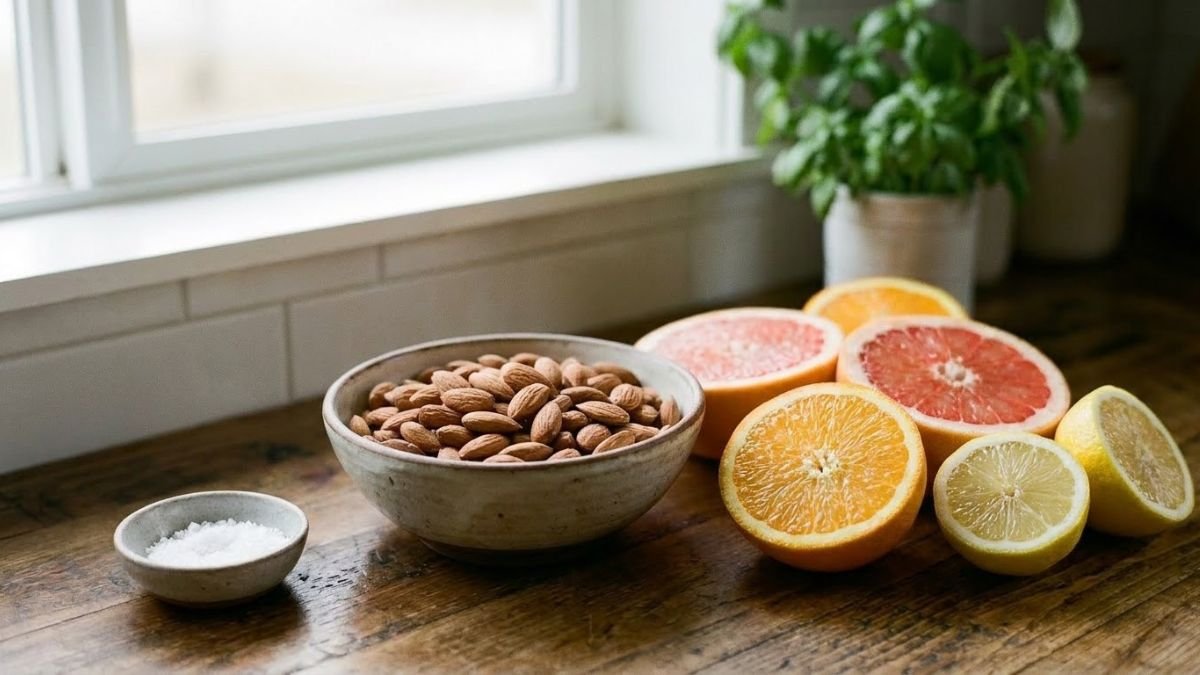
Good sources are citrus fruit, red and green peppers, kiwifruit, broccoli, strawberries, cantaloupe and tomatoes. The page makes no claim that vitamin C improves wrinkles or skin appearance, so treat the collagen link as a basic nutritional need, not a beauty promise.
Fact 5: Zinc Helps Wounds Heal, With a Ceiling
The NIH zinc fact sheet says zinc helps wounds heal and lists hair loss among deficiency signs in older children. Adult women need 8 mg a day and men 11 mg. Oysters are the richest source, followed by meat, fish, poultry and shellfish, with beans, nuts, whole grains, eggs and dairy providing some.
The upper limit for adults is 40 mg a day from all sources combined. A multivitamin, a fortified cereal and a separate zinc pill can add up quickly, so check labels before stacking them.
Fact 6: Natural Vitamins for Hair Growth Come From Food First
People who search for natural vitamins for hair growth often want a shortcut, and the sources reviewed do not offer one. What they do describe is a short list of nutrients with known roles, each available in ordinary food.
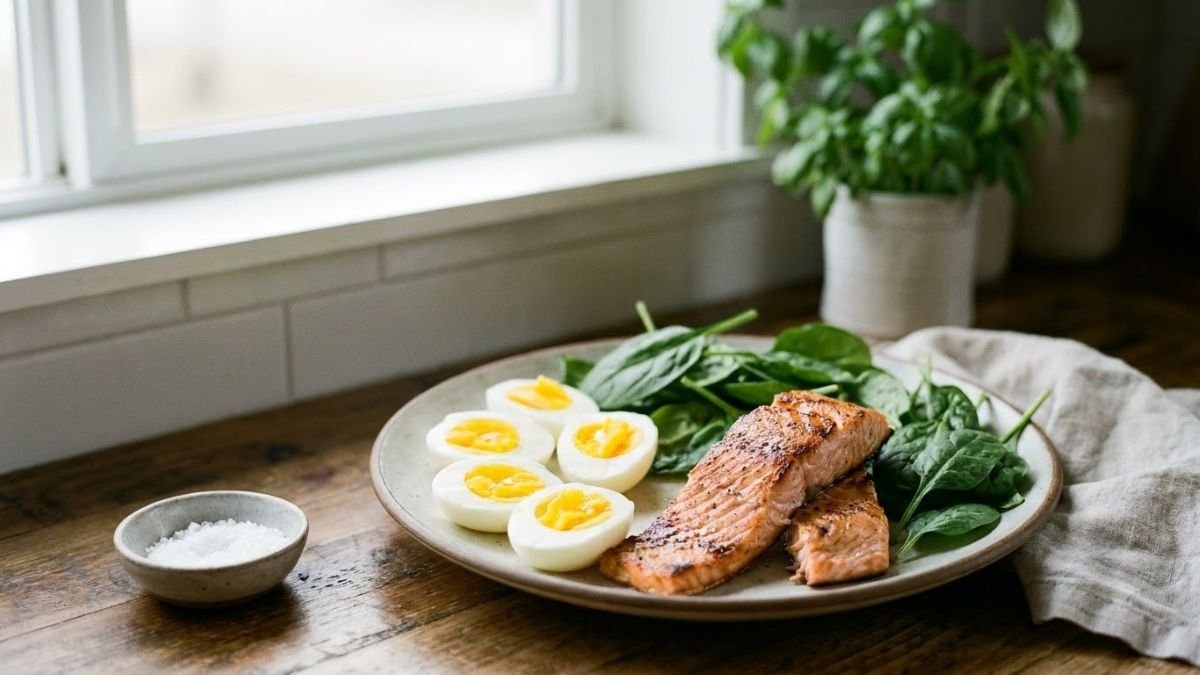
Food first also applies to vitamins for hair skin and nails, and a practical grocery list based on the pages above includes eggs (cooked), salmon, sweet potatoes, nuts and seeds for biotin, citrus and peppers for vitamin C, and beans, poultry and whole grains for zinc.
BitComfy has a related guide to foods for healthy skin and another on home remedies for dry and damaged hair, which cover the habits that sit alongside diet.
The Best Vitamins for Hair Skin and Nails: A Quick Reference
The table below summarizes what the sources reviewed say about each nutrient found in vitamins for hair skin and nails. It is not a recommendation to supplement.
| Nutrient | Adult daily amount | Upper limit | Food examples |
| Biotin | 30 micrograms | None set | Eggs, salmon, nuts, sweet potatoes |
| Vitamin C | 75 mg women, 90 mg men | 2,000 mg | Citrus, peppers, kiwifruit |
| Zinc | 8 mg women, 11 mg men | 40 mg | Meat, beans, eggs, whole grains |
Hair Skin and Nails Supplements: How to Shop Sensibly
If you still want to use vitamins for hair skin and nails, a careful approach lowers the risk. First, ask a doctor or pharmacist whether it suits you, especially if you take other medicines. Second, read the label for the actual amount of each nutrient, and compare it with the daily amounts above.
Third, avoid stacking several products that contain the same nutrient. Fourth, tell your doctor and the lab if you take biotin before any blood test. Finally, set a review date, such as three months, and stop if you see no benefit.
Be skeptical of any product that quotes huge percentages of daily value as a selling point. For most nutrients, more is not better, and for biotin the FDA specifically flagged the high-dose products.
When to See a Doctor
Hair thinning, brittle nails and skin rashes can have many causes, some of which are unrelated to vitamins. The NIH notes that symptoms like these can have causes other than a deficiency, which is why a provider should evaluate them.
See a doctor if symptoms are sudden, widespread or persistent, instead of buying a supplement in the hope that it will help.
FAQs
What are the best vitamins for hair skin and nails?
The sources reviewed do not name a best supplement. They describe biotin, vitamin C and zinc as nutrients with real roles, best obtained from food unless a professional advises otherwise.
Does biotin make hair grow faster?
The NIH says there is little scientific evidence for that, and Harvard says no published study shows benefits for normal, healthy hair and nails. Biotin deficiency, which is rare, can cause thinning hair.
Can biotin affect blood tests?
Yes. The FDA warns that biotin can cause falsely high or falsely low results in some lab tests, including troponin. Tell your doctor and the lab if you take it.
Is it safe to take vitamin C and zinc together?
The pages reviewed give no specific guidance on combinations. Each has an upper limit, 2,000 mg for vitamin C and 40 mg for zinc, so check the total from all products and food.
How long do vitamins for hair skin and nails take to work?
No timeline is given in the sources reviewed. Hair and nails grow slowly, so judge any change over months, and discuss it with a professional.
Conclusion
The honest summary on vitamins for hair skin and nails is that food covers the basics for most people, deficiencies are uncommon, and the evidence for extra supplements is thin. Biotin, vitamin C and zinc each have a documented role, and each has a practical limit or caution, including the FDA warning that high-dose biotin can distort lab tests.
Before buying vitamins for hair skin and nails, review your diet, talk to a doctor if hair, skin or nails have changed, and tell your lab about any biotin you take. Your next step is to add one biotin, vitamin C and zinc food to this week’s shopping list.