

Lists of the best fruits for gut health often read like a miracle catalog, with each fruit credited for a different digestive trick. The better-supported story is plainer. Fruit helps mainly through fiber, and the gut microbes that live on it respond to a varied, plant-rich diet.
This guide names six fruits that fit that story, explains how much fiber you need and how to add it without discomfort, and says where the research stops. It is general information, not medical advice.
Key Takeaways
- The Mayo Clinic gives daily fiber targets of 25 grams for women 50 and younger, 21 for women over 50, 38 for men 50 and younger and 30 for men over 50.
- Apples, bananas and citrus fruits are named by Mayo as sources of soluble fiber, and berries are suggested as a fiber-rich topping.
- A 2021 review abstract says fruits and vegetables supply polyphenols, oligosaccharides and fiber that interact with gut microbes and may increase microbial diversity.
- Add fiber gradually and drink water, because too much too fast can cause gas, bloating and cramping.
- The sources reviewed do not rank individual fruits for gut health, so variety beats any single pick.
What Makes a Fruit Good for the Gut?
Before the list, a definition. When people talk about the best fruits for gut health, they usually mean fruits that supply fiber, the part of plant food that your body does not digest but your gut can use.

The Mayo Clinic’s fiber guide says fiber adds bulk and softness to stool, making it easier to pass and reducing constipation, and that it can help firm up loose stools by absorbing water. It adds that a high fiber diet may lower the risk of hemorrhoids, diverticulitis and colorectal cancer.
There is a second ingredient: plant compounds that feed gut microbes. The abstract of a 2021 article in the International Journal of Food Sciences and Nutrition, indexed on PubMed, says fruit and vegetable rich diets provide polyphenols, oligosaccharides and fiber that interact with gut microbes, selectively enriching certain species and increasing microbial diversity.
The abstract does not describe a trial or participant numbers, so treat it as a summary of the science, not a measured result.
6 Best Fruits for Gut Health
The sources reviewed do not rank fruits against one another, so this list of the best fruits for gut health is built from what Mayo and the abstract do say. Each fruit has a documented fiber role or fits the plant-rich pattern linked with microbial diversity.
| Fruit | Why it earns a place | What the source says |
| Apples | Soluble fiber | Mayo lists apples among soluble fiber foods; peeling reduces fiber |
| Bananas | Soluble fiber | Listed by Mayo; also a handy breakfast topper |
| Oranges and other citrus | Soluble fiber | Mayo names citrus fruits as sources |
| Berries | Fiber rich topping | Mayo suggests berries on high fiber cereal |
| Avocado | Soluble fiber | Mayo lists avocados as a soluble fiber food |
| Pears and other whole fruit | Fits the five-a-day pattern | Mayo recommends five or more servings of fruit and vegetables daily |
Apples and Pears
Apples appear in Mayo’s list of soluble fiber foods, which dissolve in water and form a gel that slows digestion. Soluble fiber can also help lower cholesterol and blood sugar.

Mayo notes that peeling fruit reduces its fiber, so eat the skin when you can. Pears were not named in the source, but they belong to the same whole-fruit logic, so enjoy them in the same way.
Bananas and Citrus
Bananas and citrus fruits such as oranges are named by Mayo as soluble fiber sources. They are also easy to carry, which matters because the best fruit for the gut is the one you will actually eat.
Whole fruit keeps its fiber, which is why whole fruit tops any list of the best fruits for gut health, while juice with the pulp removed loses much of it, as Mayo points out.
Berries and Avocado
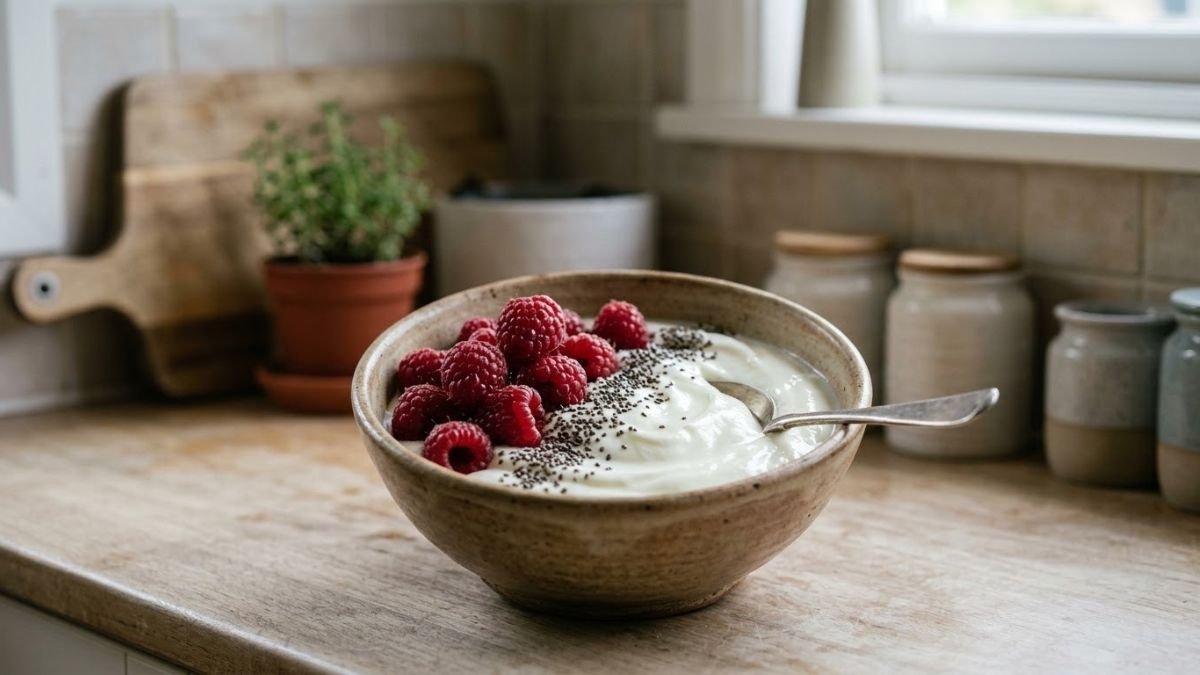
Mayo suggests topping high fiber cereal with berries or sliced bananas, a simple way to raise breakfast fiber. Avocados appear on the same soluble fiber list. Neither is singled out for the microbiome in the sources reviewed, but both fit the plant-rich diets described in the abstract.
How Much Fiber Do You Need?
Mayo cites the National Academy of Medicine amounts: 25 grams a day for women 50 and younger and 21 for women over 50, and 38 grams for men 50 and younger and 30 for men over 50.
Many people eat less, so fruit is a convenient way to close the gap, alongside whole grains, beans and lentils, nuts and seeds. Mayo also recommends five or more servings of fruits and vegetables daily.

Fruits for Digestion: What About Juice and Canned Fruit?
If you are choosing fruits for digestion, the form matters. Mayo recommends canned fruit packed in 100 percent fruit juice rather than syrup, and notes that removing pulp from juice reduces fiber.
A glass of juice therefore delivers less of what helps your gut than a whole piece of fruit. Fresh, frozen or properly canned whole fruit is the better choice.
Fruits Good for Gut Health Alongside Other Foods
Fruit is one piece of a plate, not the whole plan, and the best fruits for gut health work best next to other fiber foods. Harvard’s T.H.
Chan School of Public Health reported in a news item that high fiber foods such as vegetables and whole grains may support a healthy gut microbiome, which may reduce inflammation, and that yogurt and kimchi contain probiotics and prebiotics.
It also says there are no recommended daily amounts for probiotics or prebiotics, and that whole foods should be the main source of fiber, with supplements acceptable as a backup.
That is why foods for gut health in general, not fruit alone, deserve a place on your list: beans, lentils, whole grains, nuts, seeds and fermented foods all appear in the sources. BitComfy’s guide to green beans and their benefits and its article on brain healthy foods cover overlapping foods.
How to Add Fruit Without Bloating
Mayo’s cautions are practical. Increase fiber gradually over a few weeks, because adding it too fast can cause gas, bloating and cramping, and drink plenty of water, since fiber works best when it absorbs water.
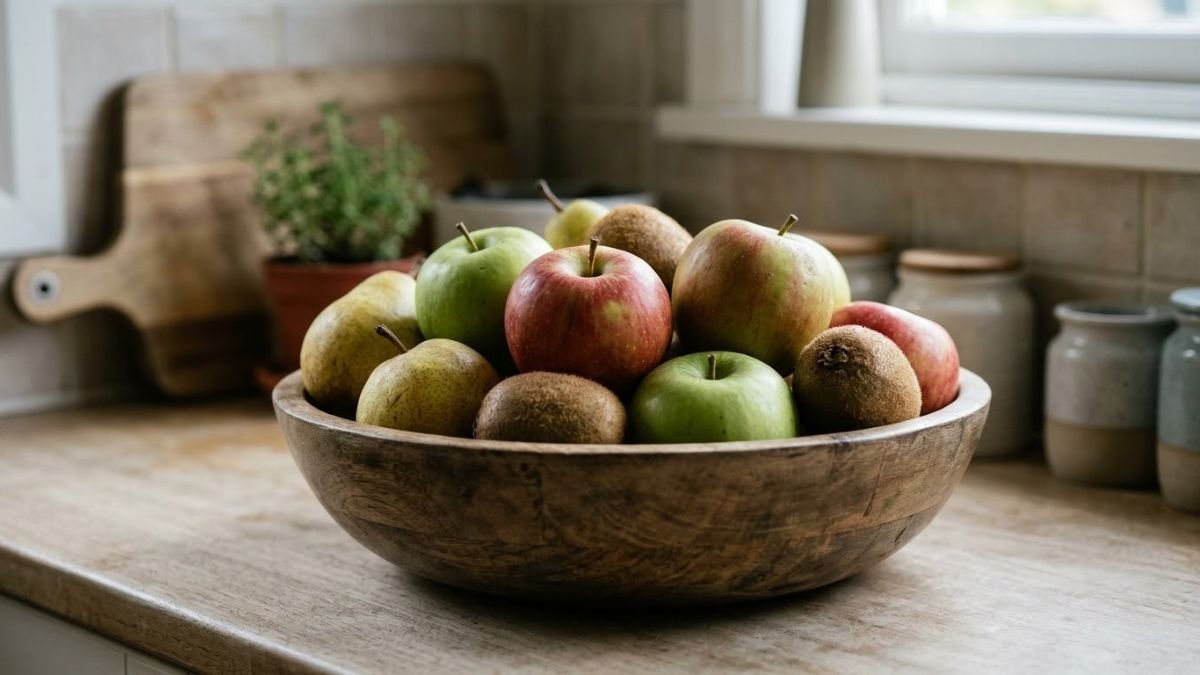
A sensible schedule is one extra serving of fruit a day for a week, then another. If you have a health condition, ask your provider before making major diet changes or taking fiber supplements, and treat any list of fruits good for gut health as general guidance.
Mayo also lists situations where a low fiber diet may be needed, such as after certain intestinal surgeries, during flare-ups of Crohn’s disease or ulcerative colitis, with intestinal narrowing, during radiation therapy, with gastroparesis or before a colonoscopy. If any of those apply, follow your clinician’s advice rather than a general fruit list.
Common Myths About the Best Fruits for Gut Health
Several ideas travel faster than the evidence. One is that a single fruit can cure constipation or repair the microbiome, which the sources reviewed do not support. Another is that the sweeter a fruit tastes, the worse it is for digestion, when the fiber and water in whole fruit are exactly what Mayo describes as helpful.
A third is that a fiber supplement does the same job as fruit. Harvard’s news item says whole foods should be the main source of fiber and that supplements are acceptable but secondary. Keeping these points in mind makes it easier to ignore dramatic claims and focus on steady habits.
There is also a practical myth about timing. Nothing in the sources reviewed says fruit must be eaten at a particular hour to help digestion, so pick a time that suits your routine and eat it consistently.
A Simple Week of Gut-Friendly Fruit
Build the habit with small swaps. At breakfast, add berries or sliced banana to oats. At lunch, include an apple with the skin on.
At dinner, serve an orange or a few slices of avocado alongside the main dish. At snack time, choose whole fruit before juice. After two or three weeks, check how you feel, and adjust portions if you notice gas or discomfort.
FAQs
What are the best fruits for gut health?
The sources reviewed point to apples, bananas, citrus, berries and avocado as fiber sources, but they do not rank fruits. Variety and whole fruit matter more than any single choice.
Is fruit juice good for digestion?
Less than whole fruit. Mayo notes that removing pulp from juice reduces fiber.
How much fiber should I eat a day?
Mayo cites 25 grams for women 50 and younger, 21 for women over 50, 38 for men 50 and younger and 30 for men over 50.
Why does fruit make me bloated?
Adding fiber too fast can cause gas, bloating and cramping. Increase intake over a few weeks and drink water.
Do I need probiotics as well?
Harvard says there are no recommended daily amounts for probiotics or prebiotics and that fermented foods are a better source than supplements.
Conclusion
The best fruits for gut health are the ones that supply fiber and fit a varied, plant-rich diet: apples with the skin on, bananas, citrus, berries and avocado, plus whatever whole fruit you will eat regularly.
The research supports fiber for stool health and plant compounds for microbial diversity, but it does not rank individual fruits, so avoid anyone who claims a single magic choice. Add fruit gradually, drink water, and ask a provider if you have a digestive condition.
Your next step is to add one extra serving of whole fruit to tomorrow’s breakfast, keep the skin on where you can, and drink a glass of water with it.