

Green beans sit in a quiet corner of the vegetable aisle, yet they appear on a surprising number of healthy eating lists. Are green beans good for you? Yes, in the ordinary sense that they are a low-calorie vegetable with fiber, vitamins and minerals.
The more dramatic green beans benefits you may read online, such as cancer protection or mood support, are a different matter, because the evidence is thin and often based on mechanisms, not on people. This guide separates the solid from the speculative, covers the nutrition numbers, and flags one real caution. It is general information, not medical advice.
Key Takeaways
- Green beans are low in calories: one cup of canned snap beans has about 28 calories and 2.6 grams of fiber, according to Medical News Today.
- Green beans benefits that are well grounded come from their nutrients: vitamin K for blood clotting and bone, and folate for cell growth and pregnancy.
- Claims about cancer, fertility or depression rest on mechanisms or indirect evidence, so treat them as interesting, not proven.
- People who take warfarin should keep their vitamin K intake steady and talk to their provider.
- Fresh or frozen beans have the least sodium, and canned beans should be rinsed and drained.
Green Beans Nutrition Facts: What One Cup Provides
Numbers come first, because they are the least debatable part of the topic. Medical News Today’s green beans guide gives the following for one cup (about 150 grams) of drained canned snap beans, and fresh and frozen beans will differ.
| Nutrient | Amount in 1 cup of canned snap beans |
| Calories | 28 |
| Carbohydrate | 5.66 g |
| Fiber | 2.6 g |
| Sugar | 1.94 g |
| Protein | 1.42 g |
| Fat | 0.55 g |
| Folate | 32 mcg |
| Iron | 1.2 mg |
| Potassium | 130 mg |
| Sodium | 362 mg |
One caution about that source: its own text gives a different vitamin K figure in the bone health section than in its table, so this guide does not quote a vitamin K number.

The page also says rinsing and draining canned beans can cut sodium by up to 41 percent, and that fresh or frozen beans have the lowest sodium of all.
6 Green Beans Benefits Worth Knowing
1. A Low-Calorie Source of Fiber
With 28 calories and 2.6 grams of fiber per cup in the canned version, green beans are an easy way to add volume to a meal without adding many calories. That makes them one of the more practical green beans benefits for anyone managing portions. The figure is for canned beans, so check the label if you buy another form.
2. Vitamin K for Blood Clotting and Bone
The NIH vitamin K fact sheet says vitamin K supports blood clotting and bone health, and lists green leafy vegetables as a major source. It sets the adult amount at 120 micrograms a day for men and 90 for women.
Medical News Today says low vitamin K intake is associated with a higher risk of fractures, but that is an association, so it does not show that eating beans prevents breaks.

3. Folate for Cell Growth and Pregnancy
The NIH folate fact sheet says adults need 400 micrograms DFE a day, rising to 600 during pregnancy, and that vegetables are a major source. Folic acid before and during early pregnancy helps prevent neural tube defects.
Medical News Today notes that a cup of green beans provides about 10 percent of daily folic acid needs. Green beans can contribute, but the NIH recommends that women who could become pregnant also take 400 micrograms of folic acid from supplements or fortified foods.
4. Iron With a Vitamin C Partner
The Medical News Today article says plant iron may promote fertility in women, citing Harvard Medical School with the cautious wording “appears to,” and that pairing iron with vitamin C improves absorption. The practical takeaway is modest: serve green beans with a vitamin C food such as tomatoes or peppers. The fertility claim itself is not strongly established.
5. A Mood Link That Is Only Indirect
The same article explains that folate helps prevent excess homocysteine, which it says can interfere with serotonin, dopamine and norepinephrine, and cites one study in older adults. That is an indirect mechanism, not proof that green beans lift mood. Treat it as background, not as a reason to expect a change.
6. A Cancer Claim That Is Speculative
Green beans contain chlorophyll, which Medical News Today says “may” block the effects of heterocyclic amines from high-heat grilling. This is based on mechanism and is speculative. Eating vegetables is part of a pattern that health agencies recommend, but the sources reviewed do not show that green beans prevent cancer.
Are Green Beans Good for You? A Balanced Answer
For most people, yes, as part of a varied diet, and that answer sits behind most of the green beans benefits listed here. The strongest case rests on simple facts: they are low in calories, they provide fiber, folate and vitamin K, and they replace heavier side dishes.
The weaker case rests on single-nutrient claims, which Medical News Today itself cautions about by stating that isolated nutrients in supplement form do not produce the same outcomes as whole foods, and that overall diet matters most.
In other words, the health benefits of green beans are real but modest, and the main green beans benefits are practical, and they come from eating the vegetable regularly in place of less nutritious options.
BitComfy’s guides to fruits for a healthy gut and easy tips for a healthy lifestyle show how a food like this fits into a broader routine.
Easy Ways to Add Green Beans to Your Week
Knowing the green beans benefits is easier than acting on them, so make the habit small. Add a handful to a stir fry, stir them into soup in the last ten minutes, or serve them cold in a salad with tomatoes, which pairs the iron with a vitamin C food as the Medical News Today article suggests.
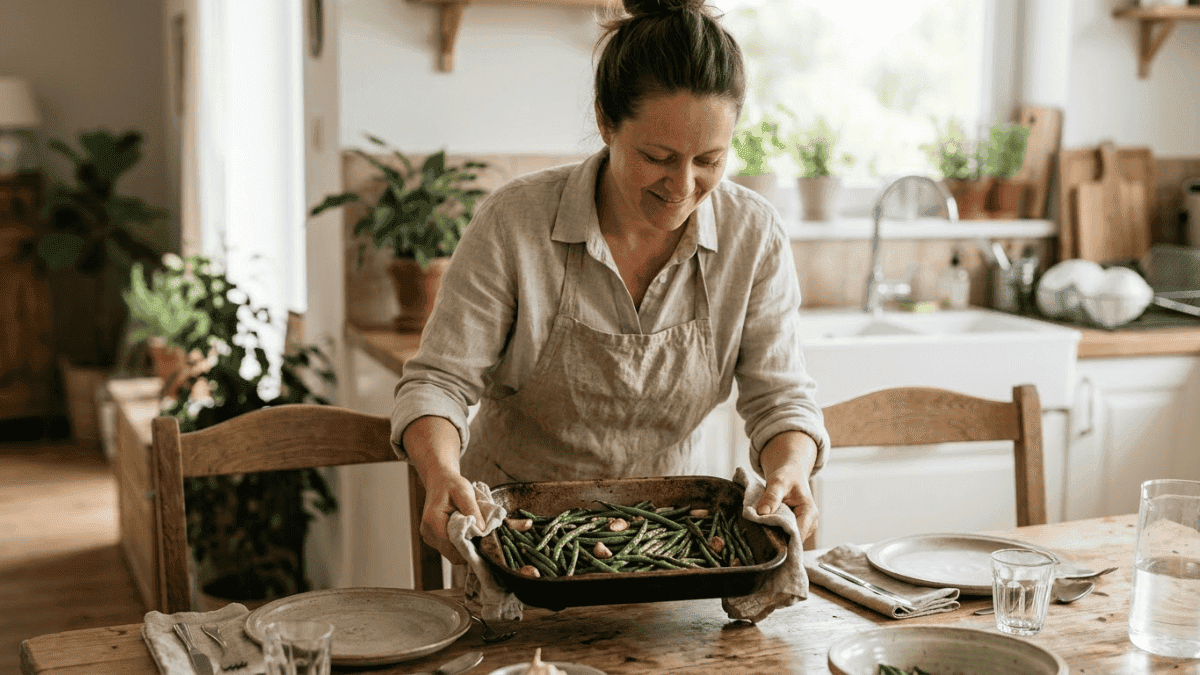
A simple tray of roasted beans takes about 20 minutes and works as a side for most proteins. Keep a bag of frozen beans in the freezer for evenings when you have no fresh vegetables, since frozen beans have the lowest sodium alongside fresh.
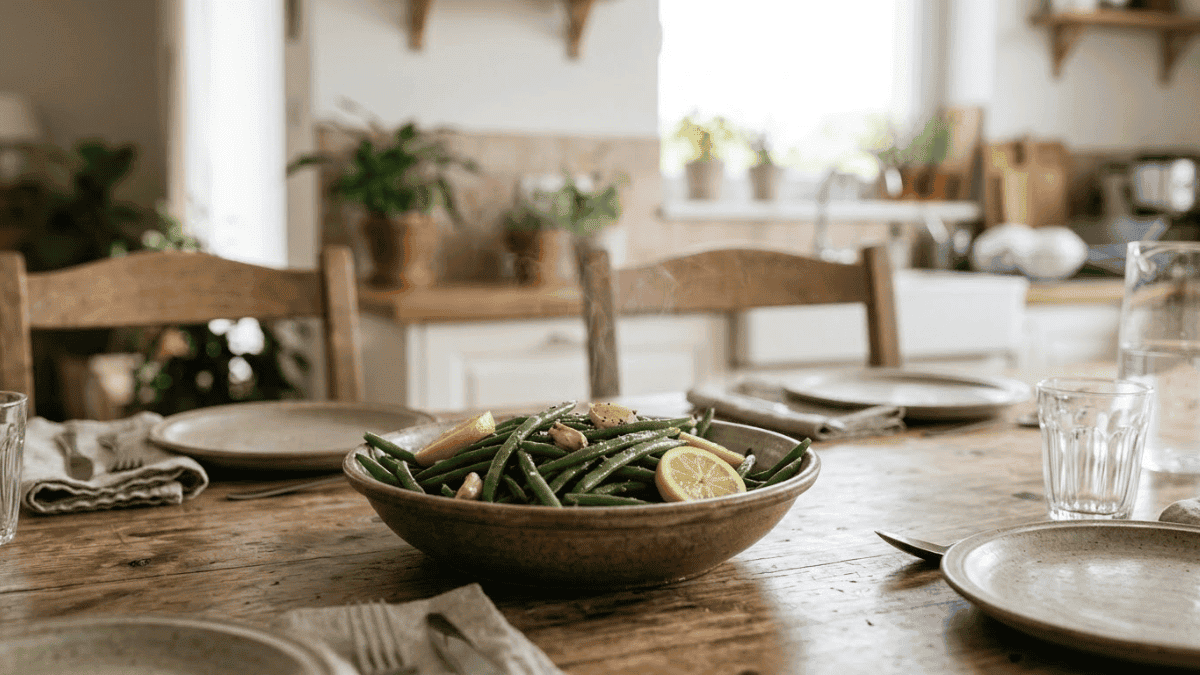
Over a few weeks, these small swaps are where the benefits of green beans add up, not in any single serving. If you cook for a family, involving children in snapping the ends is a simple way to make the vegetable familiar, and plain steamed beans with a little olive oil are often accepted more readily than heavily sauced ones.
Cautions Before You Eat More Green Beans
Three points deserve attention.
- Warfarin and vitamin K. The NIH says vitamin K can seriously interact with warfarin and that it is very important to get about the same amount each day if you take blood thinners. Do not suddenly change how many green beans or other greens you eat without speaking to your provider.
- Lectins in raw beans. Medical News Today notes that beans contain lectins, which can cause digestive problems, and that cooking reduces them. Cook beans unless you know a variety is safe to eat raw.
- Mineral absorption. The same article mentions phytic acid, which can bind minerals and reduce their absorption, and says people with a mineral deficiency should consult a doctor before eating extra green beans.
How to Prepare Green Beans So They Stay Healthy
Preparation affects both taste and nutrition. Medical News Today suggests choosing crisp, bright green fresh beans, refrigerating them in a bag, and snapping off the ends. It lists roasting at 425°F with olive oil, garlic and pepper for 20 to 25 minutes, turning halfway, and topping with marinara and a little Parmesan or Romano.
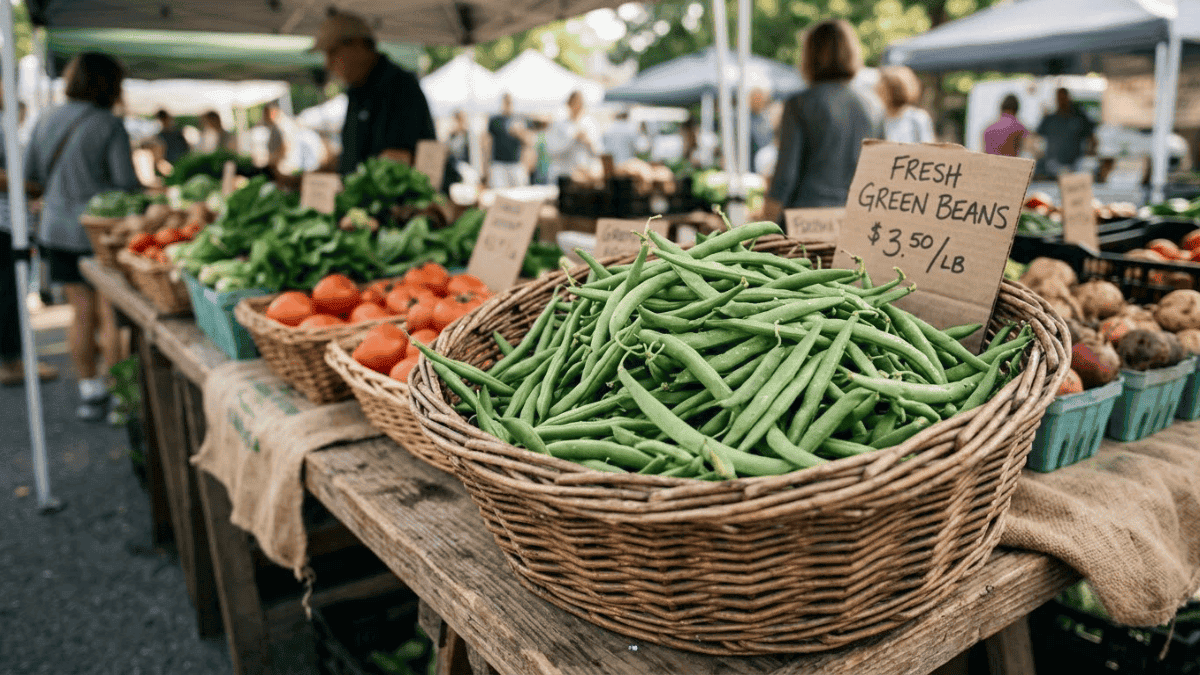
For a simple routine, steam or sauté beans briefly, season with lemon, garlic or herbs, and keep sauces light. If you buy canned, rinse and drain them to lower sodium. If you buy frozen, check that nothing has been added beyond the beans.
FAQs
What are the main green beans benefits?
They are low in calories, provide fiber, folate and vitamin K, and fit easily into meals. The larger claims about cancer, fertility and mood are not firmly established.
Are green beans good for you every day?
For most people, yes in normal portions as part of a varied diet. If you take warfarin, keep your vitamin K intake consistent and ask your provider.
Are canned green beans as healthy as fresh?
Nutrients are similar in kind, but canned beans carry more sodium, 362 mg per cup in the Medical News Today table. Rinsing and draining can cut sodium by up to 41 percent.
Can I eat green beans raw?
Some types can be eaten raw, according to Medical News Today, but beans contain lectins that cooking reduces. Cooking is the safer default.
Do the green beans benefits include weight loss?
The sources reviewed do not make that claim. They are low in calories and contain fiber, which may help with portions, but no study cited shows weight loss from green beans.
Conclusion
Green beans benefits are real and modest: a low-calorie vegetable with fiber, folate and vitamin K that is easy to cook and easy to afford. The bigger promises about cancer, fertility and mood rest on mechanisms or single studies, so enjoy them without expecting miracles.
Choose fresh or frozen beans, or rinse canned ones, cook them well, and keep your vitamin K intake steady if you take warfarin. Your next step is to swap one heavier side dish this week for a simple tray of roasted green beans, rinse canned ones if that is what you have, and see how it fits your routine.