

Searching for how to remove sun tan usually turns up a long list of kitchen ingredients, each promising to undo a holiday overnight. The reality is less dramatic.
A tan is your skin’s own response to ultraviolet light, and knowing how to remove sun tan starts with knowing it fades as skin cells are replaced, and only a few remedies have any support behind them.
This guide on how to remove sun tan explains what a tan is, what is worth trying, what can hurt you, and how to protect your skin while it recovers. It is general information, not medical advice.
Key Takeaways
- Before you learn how to remove sun tan, know that a tan is melanin that skin produces in response to UV exposure, and time is the most reliable way to lose it as tanned cells shed and are replaced.
- Lightening a tan does not undo sun damage or lower skin cancer risk, and a base tan is not a safe form of protection.
- The American Academy of Dermatology suggests over the counter products with vitamin C, glycolic acid, a retinoid, kojic acid or azelaic acid, using one active at a time.
- Skip lemon juice and unregulated lightening creams, since a study found hidden mercury and steroids in some imported products.
- Daily sunscreen is the single most important step, because new sun exposure keeps the tan going.
What a Tan Actually Is
When UV rays from the sun or a tanning bed reach the skin, cells called melanocytes make more melanin, the pigment that darkens skin. Healthline describes tanning as the body’s attempt to protect itself and notes that a tan is hard to reverse.
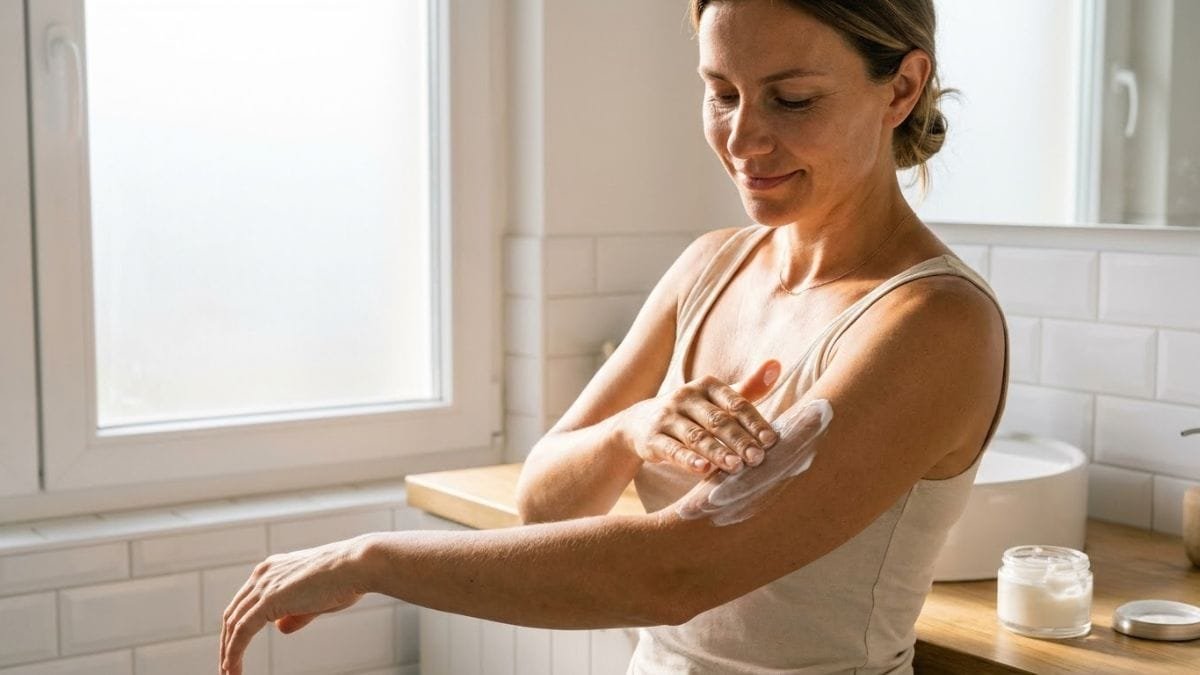
That is the key to setting realistic expectations: you are not removing dirt or a surface stain, you are waiting for pigmented cells to leave the skin and be replaced.
This also explains why no remedy works overnight. The process depends on your skin’s natural renewal, which takes weeks. Anything that claims to erase a tan in a day is either a cosmetic trick or a harsh product, and neither is a good bargain for your skin.
How to Remove Sun Tan: 7 Safe Steps
Think of these steps for how to remove sun tan as a routine that supports your skin while time does most of the work. They are written for ordinary tan, not for a sunburn.
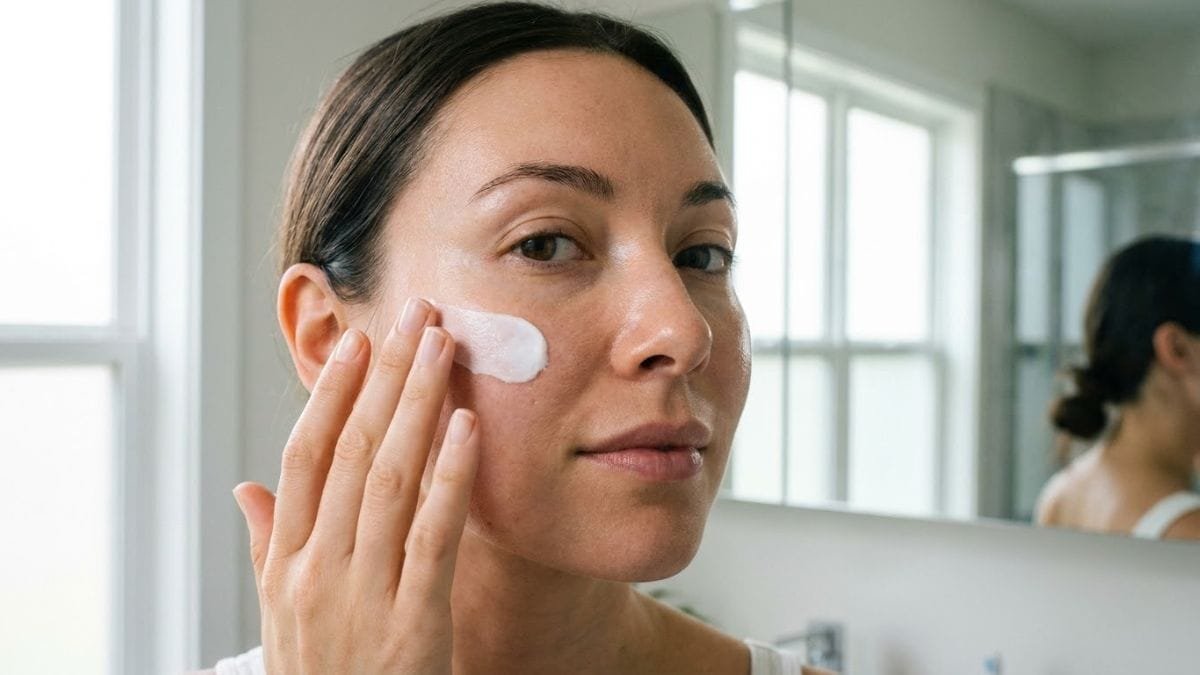
If your skin is blistered, swollen or painful, treat it as a burn: the AAD says not to pop blisters and to seek medical care for fever, chills, nausea, pus or swelling, which can signal infection.
- Stop adding new tan. Wear a hat, sun-protective clothing and sunscreen. The American Academy of Dermatology adds that sunscreen should be broad-spectrum, water-resistant and SPF 30 or higher, with shade and sunglasses that block UV. Healthline says to reapply sunscreen every two hours, and the Mayo Clinic advises broad-spectrum SPF 30 or higher every day, even when it is cloudy.
- Moisturize daily. Well hydrated skin looks smoother, though a moisturizer will not remove pigment.
- Exfoliate gently, not often. Scrubbing lifts dead cells and can even out tone, but Healthline warns that removing them also makes skin more vulnerable to sunburn.
- Patch test first. Try any new product on the inner forearm for two or three days before using it on your face.
- Add one proven active ingredient. Choose from the list in the next section and use only one at a time.
- Be consistent for weeks. A single treatment will not change much. Judge progress over a month or more, since how to remove sun tan quickly is the wrong question when skin renewal sets the pace.
- See a dermatologist if the tan is patchy, uneven or not fading. Uneven darkening can be pigmentation that needs a different approach.
Remedies With Some Support
The honest summary from the sources reviewed is that the evidence for home remedies is limited. Healthline’s review of tan removal lists the following, with the strength of support attached.
| Option | What the source says | Strength of evidence |
| Aloe vera | A small study found it may suppress melanin release | Limited |
| Turmeric | Traditionally used as a lightener, not proven to visibly lighten skin | Weak |
| Black tea | A small study found extract lightened tans in guinea pigs | Animal only |
| Vitamin C, glycolic acid, retinoid, kojic acid, azelaic acid | Recommended by the AAD, used one at a time | Strongest of the list |
Aloe vera is gentle and widely used after sun exposure, so there is little harm in trying it.
Turmeric can stain skin yellow, and the one study that Healthline cites found a turmeric cream may help protect against UV damage and improve hydration, which is a different outcome from lightening. Black tea evidence comes from guinea pigs, so homemade brews on human skin are untested.
How to Remove Tan From Face
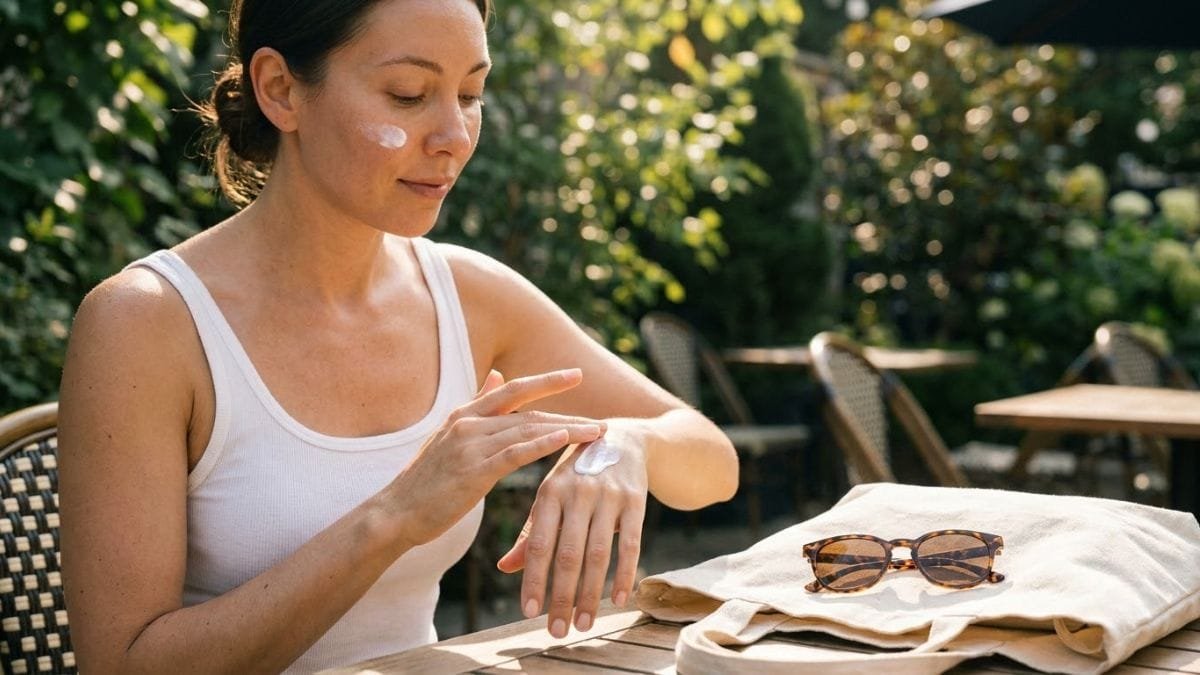
The face is where most people want fast results, and also where mistakes show. Searches for how to remove tan from face are common for exactly that reason. Facial skin tends to react more readily to strong ingredients, so a slow approach works better.
Start with daily sunscreen, then add a single over the counter active such as vitamin C or azelaic acid, as the AAD suggests. Apply it as directed and stop if it stings or burns, unless a dermatologist tells you otherwise.
If you are using a retinoid or an acid, expect more sensitivity to the sun. That is another reason to keep sunscreen on every morning during treatment, since fresh exposure will undo your progress.
How to Remove Tan From Hands
Hands and forearms get the most daily sun, so they tan quickly and fade slowly. The same logic applies: protect first, then be patient.
Apply sunscreen to the backs of your hands every morning and again after washing them, because handwashing removes it. Moisturize afterward, and use a gentle exfoliation only occasionally.
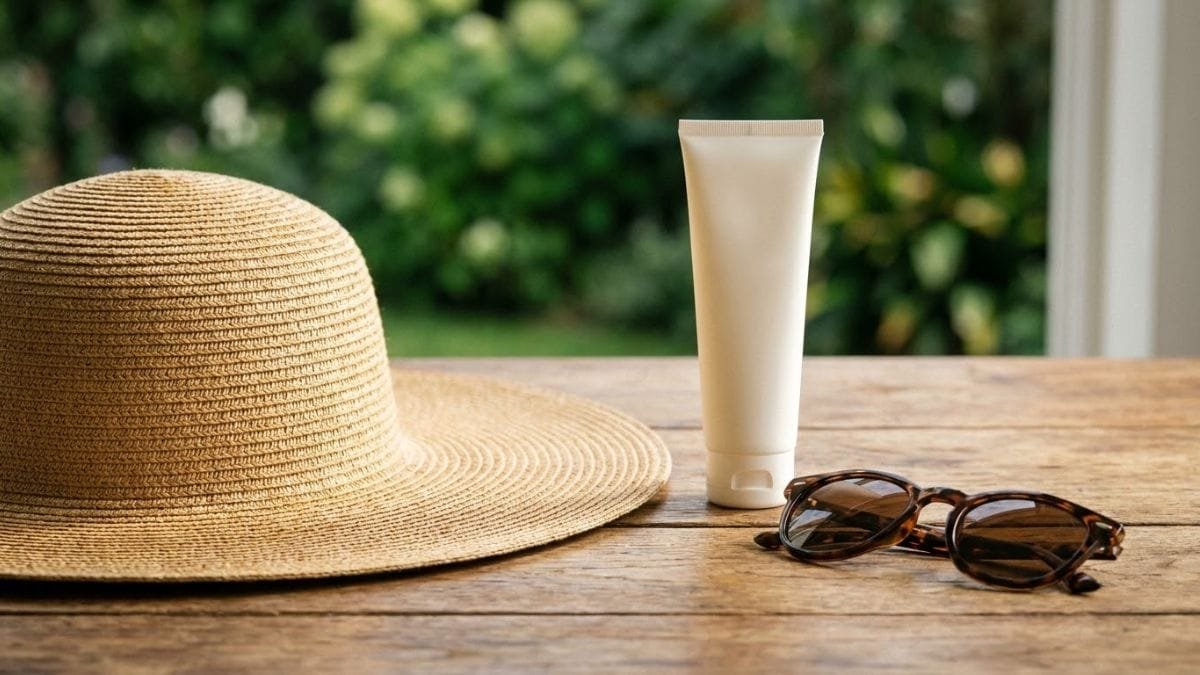
For hands, a good habit is to keep a small tube of sunscreen where you will actually use it, such as in your bag or by the sink.
Sun exposure through a car window also counts, so the habit helps year round. If the darkening on your hands is blotchy, a dermatologist can check whether it is a tan or something else.
Home Remedies for Tan Removal: What to Skip
Some popular ideas carry risks that outweigh the doubtful benefits. Healthline flags the following.
- Lemon juice. No research supports it for lightening skin. Applied undiluted it can irritate, and sun exposure afterward may cause chemical burns.
- Unregulated lightening products. A 2014 study by Gul and colleagues found unlisted mercury, steroids and other harmful ingredients in products from outside the US.
- Bleaching agents. Never apply bleach, including household bleach, to skin.
These points matter because “natural” and “fast” are the words most often used to sell risky products. If a cream promises a dramatic change in days and lists no clear ingredients, leave it on the shelf.
How to Get Rid of Sun Tan Fast: Is It Possible?
People often ask how to get rid of sun tan fast, and the fair answer is that fast and safe rarely go together. What you can speed up is the support around the process: strict sun protection, gentle exfoliation, a proven active ingredient and consistent moisturizing. What you cannot responsibly speed up is the skin’s own renewal.
If you need to even out your tone for an event, a cosmetic cover such as a tinted moisturizer can help in the short term without touching the skin underneath. Save the rest for the weeks that follow, and keep expectations modest while your skin catches up with your calendar.
Protecting Your Skin While the Tan Fades
Whatever method you choose for how to remove sun tan, protection comes first. Healthline’s point that lightening a tan does not undo skin damage is worth repeating.

Pigment is only part of the story, and a tan signals that skin has already been exposed to UV. A base tan is not a safe form of protection either. Protection comes from shade, clothing, a hat and sunscreen, in that order of reliability.
For related reading, BitComfy has a guide on natural remedies for dark circles and another on foods for healthy skin, both of which pair well with a sun-safe routine.
FAQs
How long does it take to remove a sun tan?
The sources reviewed give no exact timeline. Tanned cells shed and are replaced over weeks, so expect gradual fading with sun protection, not a sudden change.
Does lemon juice remove a tan?
No research supports it, and undiluted lemon juice can irritate skin and may cause chemical burns if you go into the sun afterward.
Which ingredients does the AAD recommend for tan removal?
Healthline reports that the AAD recommends products with vitamin C, glycolic acid, a retinoid, kojic acid or azelaic acid. Use one at a time, and some should only be used under a dermatologist’s care.
Is it safe to scrub a tan away?
Gentle, occasional exfoliation can help, but it removes protective dead cells and makes skin more vulnerable to sunburn, so protect it well afterward.
When should I see a dermatologist?
See one if the darkening is patchy, does not fade over a month or two, or if a spot changes in size, color or shape.
Conclusion
Learning how to remove sun tan is mostly about patience and protection. A tan fades as skin renews itself, a few over the counter actives have professional backing, and popular fixes such as lemon juice or imported lightening creams can do harm.
Keep your routine for how to remove sun tan simple: sunscreen daily, moisturizer, gentle exfoliation, and one active ingredient at a time after a patch test. Remember that fading a tan does not repair sun damage, and that sun protection keeps the benefit of every other step.
Your next step is to check the sunscreen you own today, confirm it is broad-spectrum with SPF 30 or higher, and put it where you will use it every morning.