
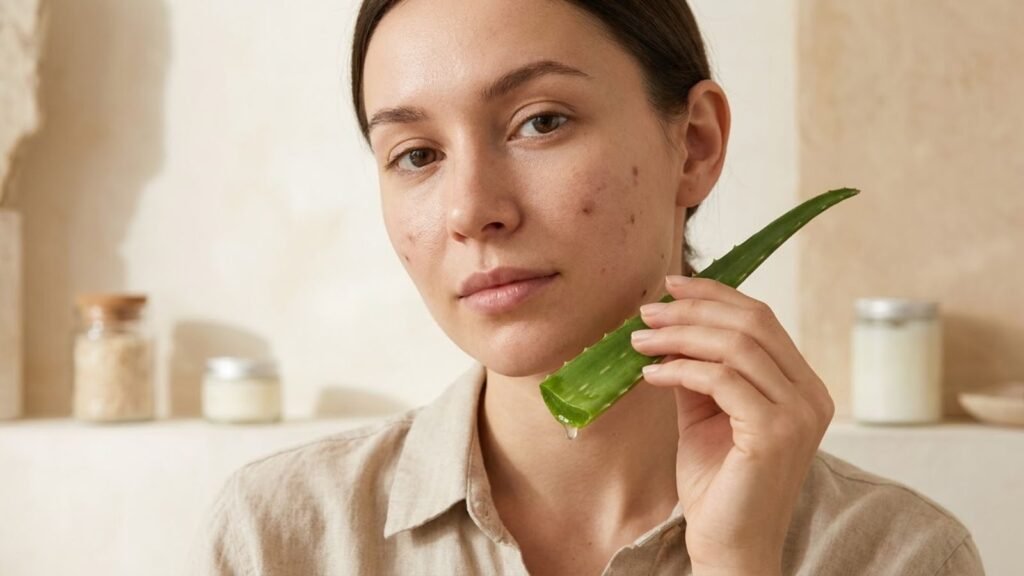
Natural remedies for acne scars may help support healthier-looking skin, but their benefits depend on the type of mark left behind by a breakout. Flat brown, red, or dark spots often fade over time, while deep indentations and raised scars usually need professional treatment. Gentle skincare, daily sun protection, and avoiding further irritation are sensible starting points.
The key is to choose realistic, skin-friendly methods instead of relying on harsh kitchen ingredients that can cause irritation or make discoloration worse.
Key Takeaways
- Flat dark marks after acne are often post-inflammatory hyperpigmentation, not permanent structural scars.
- Gentle skincare and broad-spectrum sunscreen can help protect skin and reduce the risk of worsening dark marks.
- Aloe vera, honey, and other natural ingredients do not have strong evidence proving that they remove established acne scars.
- Lemon juice, baking soda, and harsh scrubs can irritate facial skin and potentially worsen discoloration.
- Deep or raised acne scars may need assessment by a dermatologist.
What Type of Acne Marks Do You Have?
Before trying natural remedies for acne scars, identify what you want to improve. Different marks have different causes, so one approach will not work for every person.
Flat dark marks after pimples
Flat brown, purple, or darker marks can develop after inflammation from acne. This is often called post-inflammatory hyperpigmentation (PIH). These marks are changes in skin color rather than indentations in the skin.
They may gradually fade, although the process can take months. Sun exposure and irritation can make discoloration more noticeable or persistent. The American Academy of Dermatology (AAD) explains that many dark spots fade over time once the original cause is controlled. Read the AAD’s guidance on fading dark spots.
Red or pink marks
Some people notice flat red or pink areas after a pimple heals. These marks are not necessarily permanent scars. Their appearance and duration vary with skin type, inflammation, and healing.
Avoid scrubbing or applying strong homemade mixtures to make them disappear faster. Irritation can create another skin problem instead of improving the original mark.
Indented or raised acne scars
Indented scars create small depressions or uneven areas in the skin. Raised scars sit above the surrounding skin. Both involve changes in skin structure, so natural remedies and ordinary moisturizers are unlikely to remove them.
The AAD notes that acne scars rarely disappear completely on their own, although professional treatments can improve their appearance. Learn more in our related guide, how to remove old scars.
Natural Remedies for Acne Scars That May Support Your Skin
Natural ingredients are popular because they are easy to find and can seem gentler than specialist products. However, natural does not automatically mean effective or safe. Evidence for many homemade scar treatments is limited.
1. Aloe vera for soothing irritated skin
Aloe vera gel is commonly used to soothe the skin. A simple, fragrance-free product may feel comfortable on mildly irritated skin, but there is not enough reliable evidence to say that aloe vera removes established acne scars.
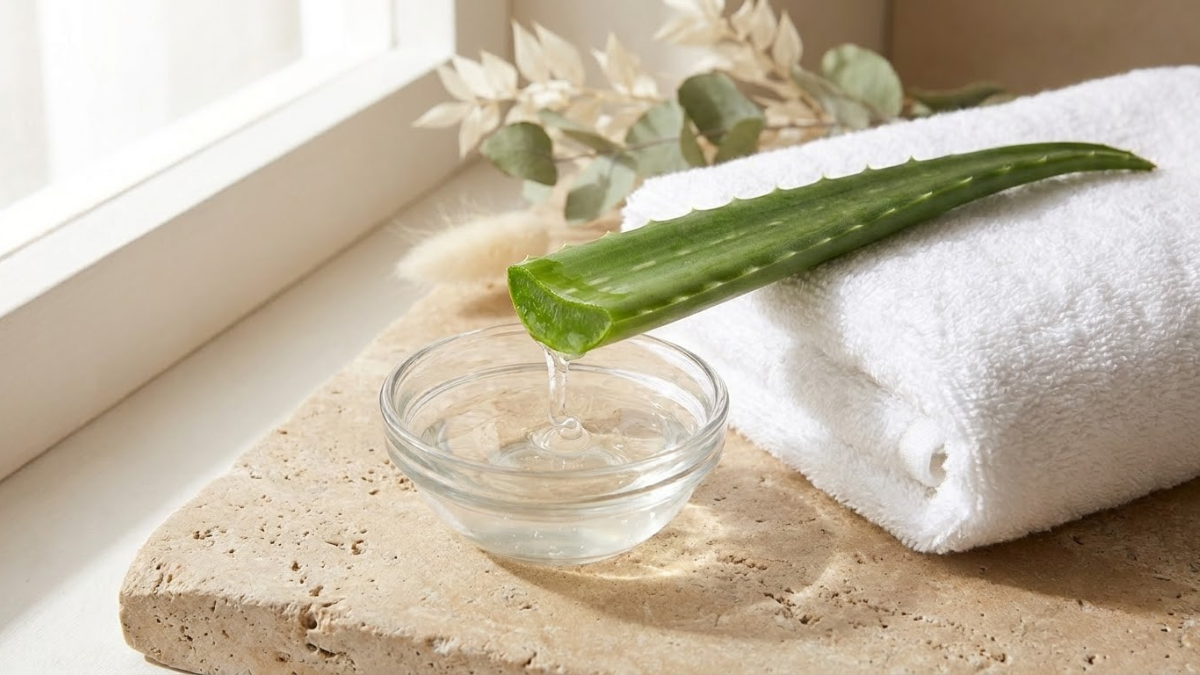
If you want to try it, choose a product intended for facial use and test a small area first. Stop using it if you develop itching, burning, swelling, or redness.
Do not expect aloe vera to fill indented scars or remove raised scar tissue.
2. Honey for basic skin care
Honey appears in many homemade face-mask recipes because it has moisturizing properties and is used in some wound-care settings. That does not prove that applying kitchen honey to the face will fade acne marks or remodel scar tissue.
If your skin is acne-prone, avoid thick mixtures that feel greasy or difficult to remove. Use a gentle facial moisturizer instead if your main goal is to prevent dryness.
Honey should not replace appropriate acne treatment, and it should not be treated as a proven acne-scar remedy.
3. A gentle moisturizer to support the skin barrier
A basic moisturizer is one of the most practical choices for a skincare routine. It helps reduce dryness and supports the skin barrier, particularly if you use acne treatments that cause flaking.
Look for a fragrance-free, non-comedogenic product if your skin is prone to breakouts. Apply it according to the product directions, and avoid combining several new ingredients at once.
A moisturizer will not erase deep scars. Its value is in keeping skin comfortable while you manage acne and discoloration.
4. A balanced diet for overall skin health
A balanced diet provides nutrients needed for normal skin function and general health. Include a variety of vegetables, fruits, protein sources, whole grains, and healthy fats according to your needs. For more on how food relates to skin, see BitComfy’s guide to foods for healthy skin.
However, no single food or drink has been proven to remove established acne scars. Be cautious of diets, detox drinks, or supplements advertised as guaranteed scar-removal solutions.
Healthy eating can support overall well-being, but it cannot replace suitable treatment for persistent acne or structural scarring.
Daily Habits That Can Help Acne Marks Fade
1. Wear sunscreen every day
Sun protection helps prevent existing dark spots from becoming more noticeable and protects skin from ultraviolet damage. Choose a broad-spectrum sunscreen with SPF 30 or higher. If your skin is acne-prone, look for a non-comedogenic formula.
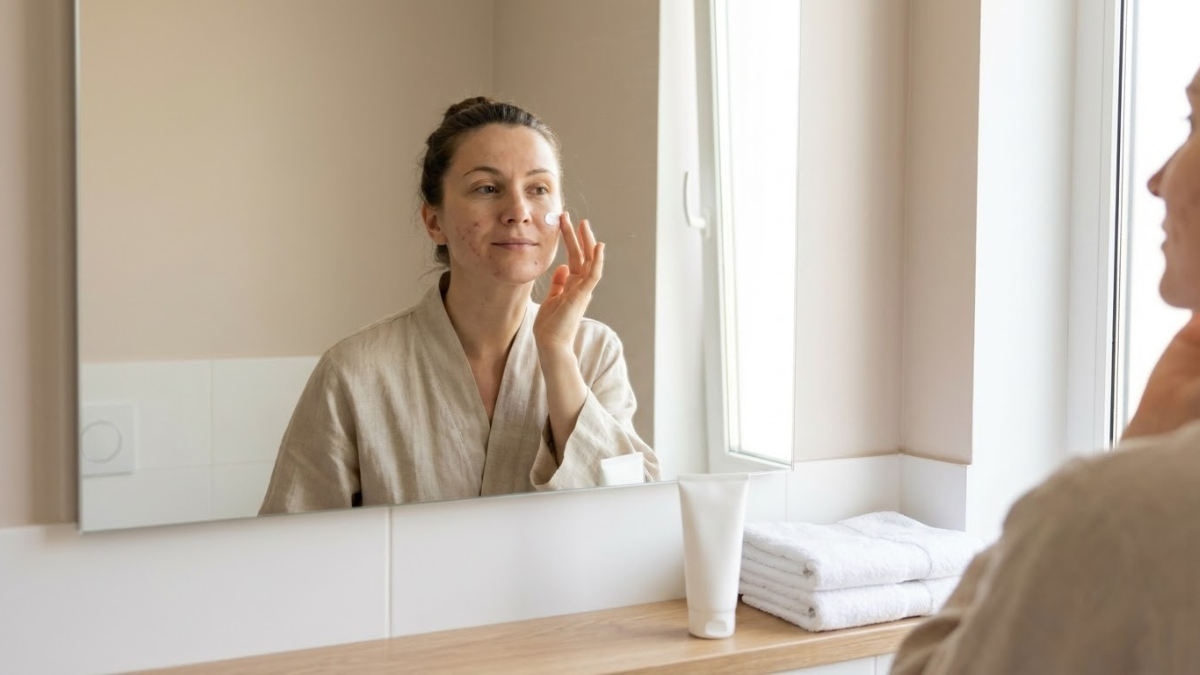
Apply it to exposed skin as directed on the label and reapply as recommended, particularly after swimming, sweating, or prolonged outdoor exposure.
For some people with persistent pigmentation, a tinted sunscreen containing iron oxides may offer additional protection against visible light. The best option depends on your skin and product tolerance.
2. Use a gentle cleansing routine
Wash your face with a mild cleanser, using your fingertips rather than abrasive tools. Avoid aggressive scrubbing, rough exfoliating brushes, and frequent washing intended to strip away oil.
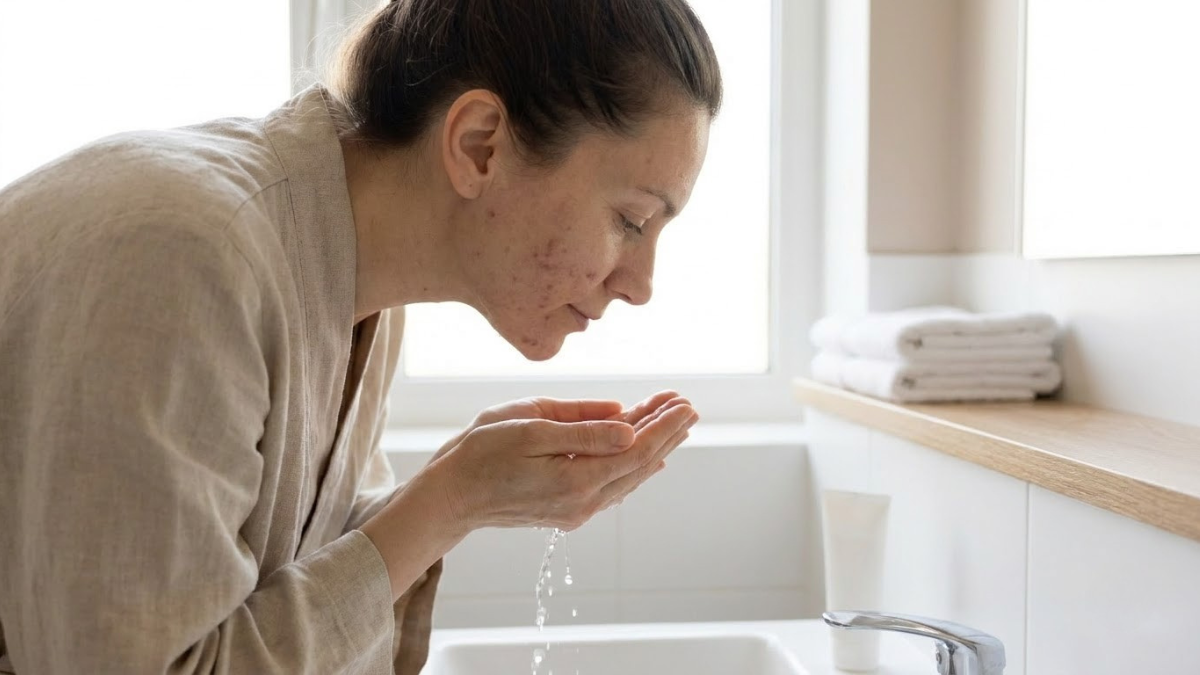
Over-cleansing can irritate the skin and make it harder to tolerate acne treatments. A simple morning and evening routine is generally more practical than repeatedly changing products.
The AAD recommends gentle cleansing and avoiding picking or squeezing pimples because these habits can increase the risk of scarring and dark marks. Read its acne skin-care advice.
3. Avoid picking or squeezing pimples
Picking at acne increases inflammation and can damage the surrounding skin. This raises the risk of lingering discoloration and permanent scarring.
Allow blemishes to heal without squeezing them. If you have deep, painful, or recurring acne, seek professional advice rather than repeatedly trying to remove the pimples yourself.
Preventing new breakouts is an important part of preventing additional marks.
4. Introduce products gradually
Trying several new products at once makes it difficult to identify what is helping or irritating your skin. Introduce one new product at a time and follow its directions.
Stop using a product that causes persistent burning, swelling, or a worsening rash. If your skin is sensitive, ask a dermatologist or pharmacist which ingredients are suitable for your needs. For help choosing products, BitComfy’s guide to natural skincare brands explains how to judge labels and claims.
Home Remedies for Acne Scars to Avoid
Some popular natural remedies for acne scars can do more harm than good, especially on irritated or acne-prone facial skin.
| Remedy | Why to be cautious |
| Lemon juice | Can irritate skin; exposure to sunlight after contact can trigger a skin reaction. |
| Baking soda | Can disrupt the skin barrier and cause irritation. |
| Sugar or salt scrubs | Friction can aggravate inflamed skin and worsen irritation. |
| Undiluted essential oils | May cause irritation or allergic reactions. |
| Toothpaste | Is not designed as a facial acne treatment and may irritate skin. |
| Strong homemade peels | Can cause burns, discoloration, or further injury when used incorrectly. |
Do not use bleach or other harsh household chemicals on your face. Avoid combining multiple acids, scrubs, and homemade mixtures in an attempt to speed up fading.
If a remedy causes burning or significant redness, wash it off gently and stop using it. Seek medical advice if the reaction is severe or does not settle.
How Long Do Acne Marks Take to Fade?
There is no single timeline for every person. Some flat marks gradually fade over several months, while deeper discoloration can last longer. Skin tone, the severity of the original inflammation, sun exposure, and ongoing acne can all affect the result.
Indented and raised scars behave differently because they involve changes in skin structure. They are unlikely to disappear simply by applying natural ingredients.
Take consistent care of your skin, protect it from sunlight, and avoid repeatedly changing treatments. If marks persist or are affecting your confidence, a dermatologist can help distinguish pigmentation from true scarring and discuss appropriate options.
When Should You See a Dermatologist?
Consider seeing a dermatologist if you have deep or painful acne, new scars developing, raised scars, or indented areas that are not improving. Professional advice is also helpful when dark marks persist despite a gentle routine.

A dermatologist can assess whether you have post-inflammatory hyperpigmentation, redness, or structural acne scars. Depending on the diagnosis, treatment may involve prescription skincare, procedures, or a combination of approaches.
People with darker skin tones should take particular care with strong peels and laser procedures, as poorly selected treatments can cause additional light or dark marks. Choose a qualified clinician experienced in treating your skin tone.
Do not delay treatment for active acne if it is causing repeated inflammation or scarring. Controlling new breakouts helps reduce the risk of additional marks.
FAQs
Can natural remedies for acne scars remove scars completely?
No natural remedy has been proven to remove every type of acne scar. Gentle skincare may support skin comfort, and flat dark marks may fade with time, but indented or raised scars often need professional assessment.
Does aloe vera remove acne scars?
Aloe vera may soothe some people’s skin, but reliable evidence that it removes established acne scars is limited. It should not be expected to fill depressions or remove raised scar tissue.
Is lemon juice safe for acne marks?
Lemon juice can irritate facial skin, and contact followed by sun exposure may cause a skin reaction. It is safer to avoid using lemon juice as a homemade treatment for acne marks.
Can sunscreen help fade dark acne marks?
Sunscreen helps prevent ultraviolet exposure from worsening discoloration. It does not instantly remove existing marks, but consistent sun protection supports a routine for managing hyperpigmentation.
Are acne marks the same as acne scars?
No. Flat areas of discoloration are often post-inflammatory hyperpigmentation or redness. Indented or raised areas indicate structural changes in the skin and may require different treatment.
Conclusion
Natural remedies for acne scars are best approached with realistic expectations. Gentle cleansing, a suitable moisturizer, daily sunscreen, and avoiding pimple picking can support healthier-looking skin and help prevent further marks. Some flat areas of discoloration fade gradually, but homemade ingredients have not been shown to erase established scars.
Avoid lemon juice, harsh scrubs, and irritating mixtures that may worsen skin problems. If you have deep, raised, or persistent scars, a dermatologist can identify the type and discuss appropriate treatments. Start with a simple routine, introduce products gradually, and give your skin time to respond rather than trying several remedies at once.